Get Full Government Meeting Transcripts, Videos, & Alerts Forever!
Get email alerts on the Student Vision Services topic
No spam. Unsubscribe anytime.
Alpine School District describes vision-screening program that provides exams and glasses to students
Summary
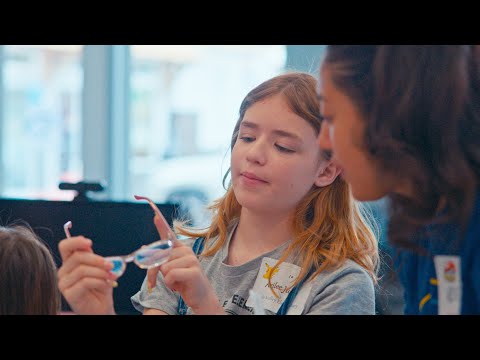
Alpine School District staff and a parent described the district’s Site Buddies vision-screening program, a partnership with Charity Vision that has offered biannual events since February 2017 and can serve roughly 60–80 students per event.
Alpine School District officials described a vision-screening program that has provided eye exams and glasses to students since February 2017 through a partnership with Charity Vision.
Kim Lowe, supervisor of nurses for Alpine School District, said the program—referred to in the transcript both as “Site Buddies” and as linked to Charity Vision’s “Sight Buddies” foundation—runs two events a year and focuses on students who fail the district’s routine vision rescreens. “We check with the parent to see if they have resources to take the student in for an eye exam and glasses,” Lowe said. “If they don't, these are the students that we refer for our site buddies program. We're able to have at least 60 to 80 students per event.”
Nut graf: School nurses perform mass vision screenings; students who do not pass rescreens are referred for further services and, when families lack resources, are connected to the Charity Vision partnership that provides exams and glasses. District staff and a parent described academic and behavioral improvements after vision problems are addressed.
Lowe said school nurses conduct the initial screenings and make referrals when students fail rescreens. She told meeting participants that the district first asks parents whether they can obtain an eye exam and glasses on their own; students whose families cannot afford services are referred to the program. Lowe said she has seen behavior issues in class resolve after vision problems were identified and treated. “Once their vision problems are addressed and adequately treated, they're able to see, and those behavior problems are resolved,” she said.
Andrea Comeaford, a parent whose daughter benefited from the program, said the process was “extremely simple from a parent's perspective” and arrived at a time when her family needed the help. “It's actually been wonderful,” Comeaford said. Her daughter Alexis, who received glasses through the program, told the group, “I can see a lot of new things that I couldn't.”
Lowe and the parent emphasized that the program both addresses immediate vision needs and can remove obstacles to learning, social interaction and confidence. The district did not, in the portions of the transcript provided, specify funding sources beyond the partnership with Charity Vision, any eligibility thresholds beyond failing a rescreen, or whether families must complete paperwork beyond parental consent.
The program is described in the transcript as operating twice yearly (a fall and a spring event) and serving roughly 60–80 students at each event. The partnership began in February 2017, according to Lowe.
No formal motions or votes on the program were recorded in the provided transcript excerpt.