Get Full Government Meeting Transcripts, Videos, & Alerts Forever!
Get email alerts on the Habitat Restoration topic
No spam. Unsubscribe anytime.
Delray Beach highlights dune restoration, native plantings at Atlantic Dunes Park
Summary
City sustainability staff and the Institute for Regional Conservation showcased multi-year dune-restoration work and native plantings at Atlantic Dunes Park, noting removal of invasive Brazilian pepper and volunteer opportunities during Earth Month.
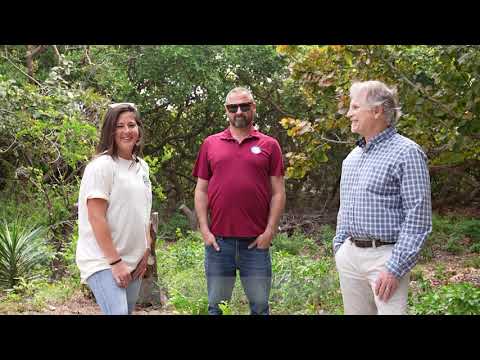
Ken Edwards, the sustainability officer for the City of Delray Beach, led a site presentation at Atlantic Dunes Park to highlight habitat-restoration work and recent plantings.
Edwards said the city has been restoring the site "over the last couple of years" and invited visitors to view the plantings in person. "We're going to take a look at some of the restoration work that we've been doing over the last couple of years," Edwards said.
Liz Dutra, a representative of the Institute for Regional Conservation, described several species that were planted and are supporting wildlife. She pointed to Florida prickly pear and a native agave and noted, "this also does a great job at stabilizing the dune system." Dutra also described a corky-stem passionflower vine that "is a host plant for several butterflies including the gulf fritillary." Dutra said buds on some plants will "turn pink" in a couple of weeks, providing seasonal food for birds and pollinators.
Presenters noted the site is showing both planted and naturally returning species after the removal of an invasive Brazilian pepper tree. Edwards said removing the canopy exposed the seed bank, allowing native plants to reappear: "this whole seed bank got exposed and all these plants that are supposed to be here are starting to come back," Dutra said.
The presenters identified several specific plants on the site: necklace pod, Florida prickly pear, a native agave, corky-stem passionflower, Yucca alifolia (Spanish bayonet), beach creeper, Bahama nightshade, a shiny-leaf coffee plant and a plant identified in the video as a "rouge plant." The video notes some plantings were added "last year about this time" and that other restoration work has been done at additional parks around the city.
Edwards and Dutra encouraged public involvement and noted related programming. Edwards pointed viewers to the Office of Sustainability and Resilience website for an Earth Month activities calendar, and Dutra invited volunteers to visit regionalconservation.org to sign up.
The presentation emphasized ecological goals (stabilizing dunes, rebuilding biodiversity, and supporting pollinators) and volunteer engagement; no formal actions, votes, or regulatory changes were announced during the site presentation.