Get Full Government Meeting Transcripts, Videos, & Alerts Forever!
Get email alerts on the Homelessness topic
No spam. Unsubscribe anytime.
Auburn council trims homeless-services budget to $200,000 after weeks of debate
Summary
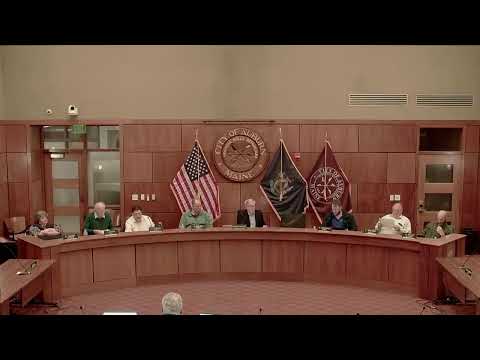
At an April 15 workshop, Auburn City Councilors signaled consensus to reduce the city's proposed FY26 allocation for homeless services to $200,000, down from $250,000 in the draft budget. The council discussed regional shelter plans, a state capital award, and a winter warming-center contingency as it weighed the change.
Auburn City Council members agreed by consensus at a workshop April 15 to reduce the city's proposed FY26 homeless-services operating allocation to $200,000, down from $250,000 in the manager's draft.
The move came after extended discussion about a planned emergency shelter for the Lewiston'Auburn area, state grant funding and the costs of running a temporary warming center if the shelter is not ready. City Manager (referred to in meeting materials as the manager) told the council the state awarded $2,500,000 in capital funds to stand up a regional shelter and that operating costs for a full shelter were estimated at about $1,600,000 a year, with a proposed municipal share of roughly $650,000 between the two cities. The city manager said Auburn's proposed contribution in the draft budget had been reduced from $250,000 to $200,000 for the council's consideration.
Why it matters: Councilors framed the allocation as a contingency to ensure the city has money available if the regional shelter timeline slips and the city must run or support a local warming center. Members said they wanted to avoid repeatedly dipping into the city's fund balance and to set a consistent operating line in the FY26 budget rather than relying on one-time funds.
Discussion and details: Councilor Walker proposed lowering the item to $150,000 but said he would not support the $250,000 figure, noting a willingness to compromise: "I'd be willing to ask that we do 150,000, but I'm not willing to vote on the 2 50," Councilor Walker said. Councilor Cowen and others pressed for caution about cutting too far because recent warming-center costs had been near $239,000 when run locally. The manager described two likely scenarios: (1) participation in a regional 'housing-first' shelter financed in part by state capital and operating grants, or (2) if the regional shelter is delayed, a city-funded warming center for part of the winter. The manager said the Lewiston plan includes a $2.5 million capital award and that municipalities would be expected to contribute to annual operating costs and seek grant/philanthropic funds to close remaining gaps.
Councilor Gary, Councilor Weisner and others said they supported leaving a meaningful operating allocation in the budget because the city had repeatedly funded emergency responses in recent years and would likely face the expense again if the council did not budget for it. Councilors also emphasized the expectation of additional non-municipal partners (nonprofits, churches, state) to share costs.
What the council decided: Without a formal roll-call vote, councilors signaled consensus to set the homeless-services operating line at $200,000 for the FY26 budget and asked the manager to reflect that change in the budget model and return updated numbers at the Thursday workshop. The manager also said staff would return with additional detail on partner commitments and on the superintendent's response to a requested $500,000 school-budget reduction referenced earlier in the meeting.
Looking ahead: Councilors asked for more concrete cost estimates and timetables from partner agencies at the next workshop. The manager cautioned that final tax-levy impacts depend on assessor valuations and other pending adjustments.