Get Full Government Meeting Transcripts, Videos, & Alerts Forever!
Get email alerts on the Rental Assistance Youth topic
No spam. Unsubscribe anytime.
Bill would add youth leaving custody to long‑term rental assistance pilot
Summary
Senate Bill 814 would clarify eligibility for the Oregon Rental Assistance for Youth (RAY) pilot to include youth exiting Oregon Youth Authority facilities and require Oregon Housing and Community Services to consult OYA, expanding a technical definition to avoid requiring youth to become literally homeless before receiving aid.
The House Committee on Housing and Homelessness held a public hearing April 16 on Senate Bill 814, a technical statutory change to the Oregon Rental Assistance for Youth (RAY) pilot. The bill clarifies that youth transitioning out of Oregon Youth Authority (OYA) facilities are eligible for RAY and directs Oregon Housing and Community Services (OHCS) to consult with OYA in program design.
Casey Houlihan, legislative and government relations coordinator at OHCS, described the RAY pilot as a stop‑gap rental assistance program for homeless and justice‑involved youth intended to stabilize housing while participants are connected to longer‑term supports such as federal vouchers. The program launched in 2022 with $2.3 million in one‑time funding, operates in three regions through local administering agencies (Mid‑Willamette Valley Community Action Agency, Northwest Oregon Housing Authority, and Washington County), serves participants with income below 50% of area median income, and currently provides assistance only until participants turn 25. Houlihan said the bill is a “very narrow, very specific, carefully crafted clarification of the eligibility criteria and it is not expected to result in a large influx of new applicants seeking housing benefits.”
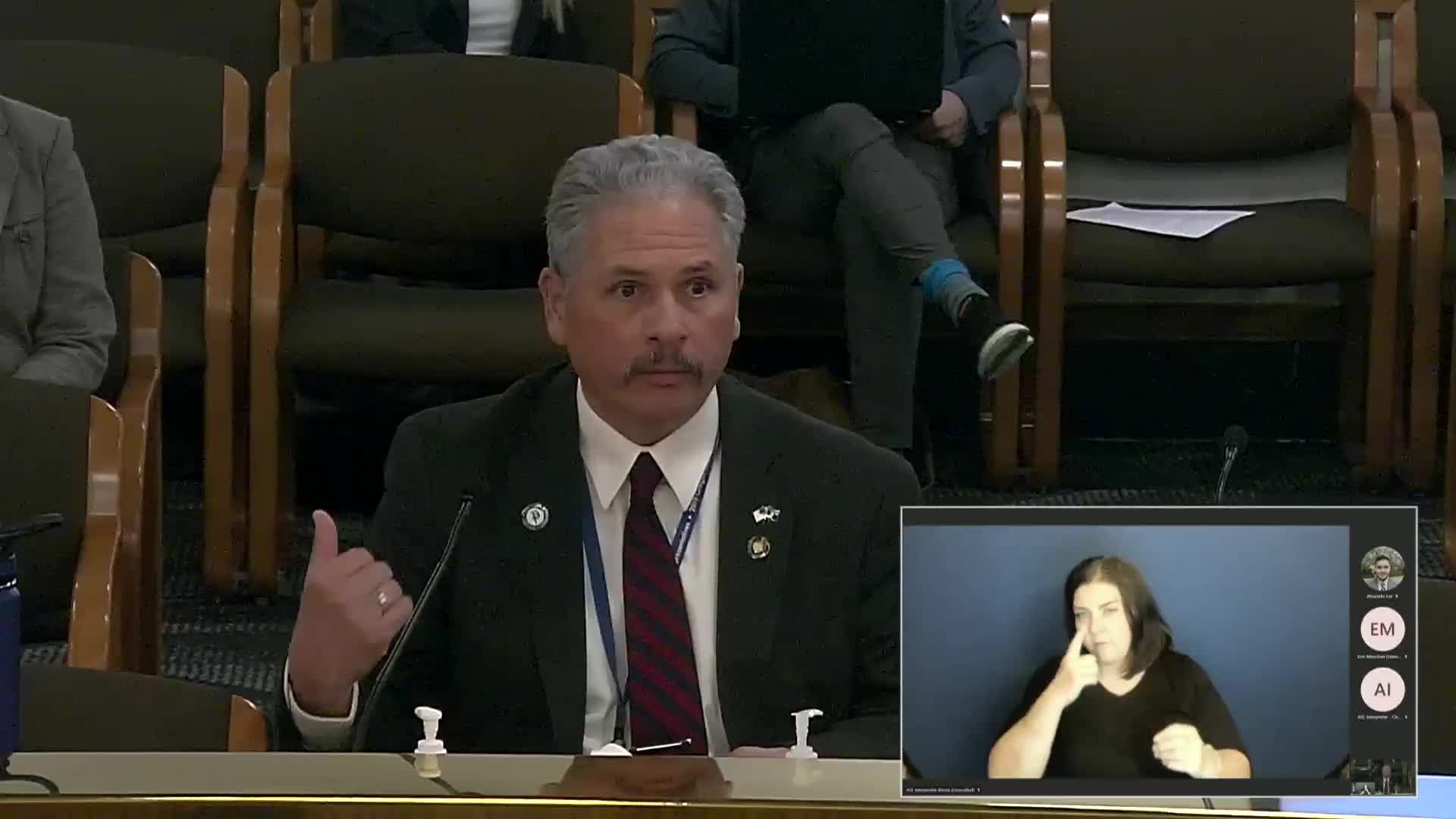
Debbie Martin, legislative coordinator for the Oregon Youth Authority, told the committee that the change fixes an incorrect statutory reference so youth exiting OYA care are clearly included. She said OYA youth face additional barriers—limited rental history, criminal records and minimal family support—and that stable housing at the point of transition reduces the risk of recidivism.
Committee members asked how the program is administered and how funds flow. Houlihan said OHCS issues grants to local organizations that design and administer the program under a state guidance framework; the local agencies handle eligibility screening and disbursement of funds. Martin added that OYA case managers, parole and probation officers can refer youth who lack stable housing to the local administering agencies.
Jonathan Clay of Multifamily Northwest said his group supports the bill as a gap‑filling measure to help young Oregonians obtain stable housing.
No committee vote was taken at the hearing. Witnesses described the change as a technical fix to remove ambiguity and to help ensure youth exiting state custody have a timely path to rental assistance rather than having to become literally homeless to qualify.