Get Full Government Meeting Transcripts, Videos, & Alerts Forever!
Get email alerts on the Closed Session topic
No spam. Unsubscribe anytime.
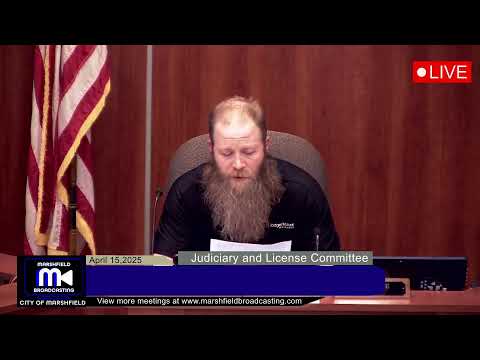
Marshfield meeting moves to discuss closed session citing Wisconsin statute
Summary
A staff member read a statutory basis for a closed session to discuss personnel matters, including financial, medical and personal histories and potential charges; the transcript records the reading but no formal vote or final action is recorded.
A staff member at a Marshfield meeting read a statutory justification to move into closed session to deliberate personnel matters, including "financial, medical, and personal histories" and the possible "indictation of charge against specific people," the meeting transcript shows.
The reading said the discussion would rely on a Wisconsin statute cited in the transcript (transcript text: "wesconsonson ceapere 175.51a") and described deliberation over a case and related personal information. The staff member characterized the matters as ones that could have an "adverse effect on the reputation" of the individuals referenced.
The transcript records the staff reading a lengthy statutory-text passage describing the permitted closed-session subjects and then a brief procedural back-and-forth later in the record (the final related remark in the excerpt is a short utterance recorded as "GPT. Поліції?"). The record does not show a recorded motion, second, or roll-call vote to enter closed session in the provided excerpt.
The discussion, as reflected in the transcript excerpt, covered three categories commonly invoked for closed sessions under state law: deliberation of personnel matters tied to private medical or financial information; consideration of accusations or potential charges against identified individuals; and case deliberation that could affect personal reputations. The transcript excerpt presents those categories in the staff member's reading of the statutory basis rather than as a summary by another participant.
No formal outcome—such as a vote to enter closed session, a decision made in closed session, or any subsequent public action—appears in the provided excerpt. The transcript therefore documents the statutory rationale being read aloud and the meeting's intent to consider a closed session, but it does not record whether the body actually convened in closed session or took any final action on the matters described.