Get Full Government Meeting Transcripts, Videos, & Alerts Forever!
Get email alerts on the Property Assessments Multipliers topic
No spam. Unsubscribe anytime.
LaSalle County assessors, multipliers and township inspections draw scrutiny; committee asks state's attorney to draft options
Summary
County assessor's office told the Taxes, Election & GIS Committee that high equalization multipliers and incomplete township property records left many parcels under-assessed; committee asked the state's attorney to research remedies and bring proposed language back next month.
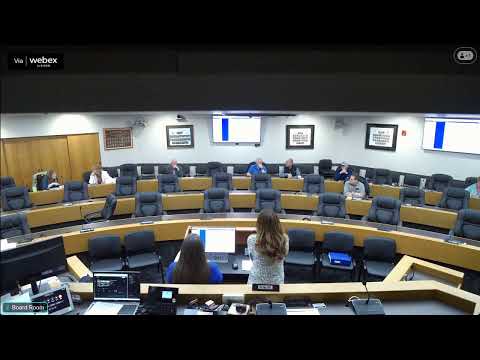
The LaSalle County Supervisor of Assessments' office presented a detailed briefing on April 15 showing large, countywide equalization multipliers and uneven township assessment work, and committee members pressed for legal and procedural remedies.
Supervisor of Assessments Stephanie (first name only in the transcript) told the Taxes, Election & GIS Committee that the state uses arm's-length sales from recent years to calculate equalization factors and multipliers that bring township assessments to one-third of market value. She walked the committee through the county's online guidance about multipliers and how the Department of Revenue uses sales from recent years to run ratio studies.
The multipliers matter because they adjust assessments after the state's sales-ratio review and can raise individual taxpayers' bills even when assessors did not change an individual parcel's record. "If an equalization factor for a property class or township was applied by the county assessor or board of review, the multipliers factors by law are published in the heading of the newspaper listing of assessment changes for the township when the assessment year changes are published," Stephanie said, noting the multipliers are public and published with the township results.
Committee members focused on the county's mix of 37 townships and 16 assessors and on the unevenness of fieldwork. Stephanie said only a handful of townships had completed the recommended parcel record updates; she named Manlius, Meriden, Ophir and Treg Road as the townships that had done the work called for on property record cards. Several members described examples of contracted or elected township assessors who had completed only a handful of inspections over long periods. "Just because you go online and you see a deed that's filed, a lot of people just assume that's how title is held," the recorder later added when discussing a separate bill, underscoring how many interlocking systems affect taxpayers' understanding of their bills.
Board members pressed for accountability and legal remedies. Several members said repeated outreach had produced only partial improvements and that limited penalties in statute (a $500 fine cited in the discussion) may be insufficient to change behavior. County Board member Tom Templeton asked for a pathway to hold underperforming assessors to account; the committee asked the county state's attorney to research options and provide draft language for a county resolution or other measures.
State's Attorney Mark Anderson (joined the meeting) and other members agreed to review next steps. At the meeting's close, Chair Doug Traeger asked Mark to work with staff and bring proposed verbiage or options back at the next committee meeting for formal consideration.
Committee members said the issue matters because reassessments and multipliers affect school and municipal levies across many taxpayers. Stephanie urged committee members and the public to use the assessor office web resources to find multipliers, appeal information and other consumer-facing content before tax bills are mailed.
The committee did not adopt a final policy at the April 15 meeting; it directed the state's attorney and county staff to return with draft language and options for committee consideration next month.