Get Full Government Meeting Transcripts, Videos, & Alerts Forever!
Get email alerts on the Electric Vehicle Car Share topic
No spam. Unsubscribe anytime.
Santa Fe pilot places electric car-share at affordable housing sites
Summary
Santa Fe County and nonprofit Forth are launching a pilot electric vehicle car-share at two public-housing sites, with charging infrastructure, member orientation and a ribbon-cutting planned April 24, officials said.
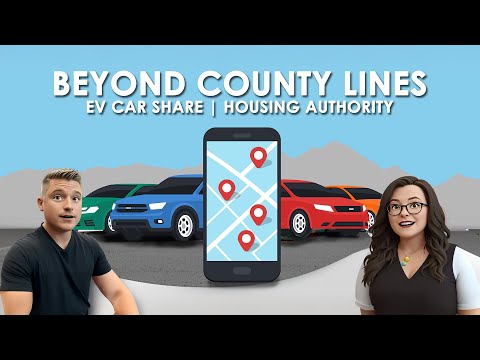
Santa Fe County and nonprofit Forth are launching a pilot electric vehicle car-share at two Santa Fe County Housing Authority affordable-housing sites, with vehicles rentable through an app for $5 an hour or $50 per day, a program manager said.
County sustainability staff said the pilot aims to expand access to electric vehicles and charging where residents live and to help reduce transportation emissions. The program includes on-site charging, a public charging port, member orientation, a $10 one-time application fee for a driving-record check, and a $20 driving credit for new members. A ribbon-cutting for the pilot is scheduled for April 24 at the Camino Jacovo public housing site, officials said.
Jennifer Zeyeball, identified as a program manager at the nonprofit Forth, described the local pilot as part of the organization's broader work to "increase equitable access to electric transportation across the country." Zeyeball said the service will use an app (referred to in the interview as the MDO Car Share app) to let eligible members reserve and unlock vehicles. "Through this app, you'll be able to rent an electric vehicle for $5 an hour or $50 per day," she said.
The pilot will station vehicles and a charging station at two Santa Fe County Housing Authority locations, Zeyeball said. The charging station will have a port that the community can use for a posted fee; the site will also provide charging for the car-share vehicles. Zeyeball said every new user completes an orientation (by phone or a set of videos with follow-up questions) to cover EV basics and charging procedures; she also noted a customer support line is available for members who experience issues.
On eligibility and enrollment, Zeyeball said applicants must upload a U.S. driver's license and a payment card, and pay a one-time $10 fee that covers a motor-vehicle-record check needed for the program's insurance. She said participants do not need their own car insurance. The verification and orientation process "can take a few days," Zeyeball cautioned, but once approved a member can book vehicles at any time.
A representative of the Santa Fe County Sustainability Division said a 2019 county study showed on-road travel (passenger and freight) produced about 740,000 metric tons of carbon dioxide in Santa Fe County, more than emissions from landfill and wastewater operations. The representative framed the car-share pilot as part of local efforts to reduce transportation-related emissions while increasing mobility options for residents who live near transit and community services.
County and program partners thanked the Santa Fe Public Housing Authority, PNM, and the Land of Enchantment Clean Cities Coalition for participating in the pilot. The hosts said the first drive credit and outreach events aim to encourage residents to try EVs; a planned ribbon-cutting at 52 Camino Jacovo will follow the community's event schedule, and organizers expect outreach and training for residents.
The pilot is positioned as a supplement to existing transportation options rather than a replacement: Zeyeball described car sharing as an alternative for errands, second-car needs, temporary vehicle absence, or trips that are inconvenient by transit. She added that utilization varies by location and proximity to transit and population density.
Details not specified in the interview include the exact number and models of vehicles to be deployed, the daily public-charging rate, and the long-term funding or contract terms for the county partnership. Organizers indicated more information and sign-up guidance will be available ahead of the April 24 ribbon-cutting.