Get Full Government Meeting Transcripts, Videos, & Alerts Forever!
Get email alerts on the School Behavior Supports topic
No spam. Unsubscribe anytime.
Middle school reports big drop in referrals, new rest-and-reset space and increased extracurricular participation
Summary
Administrators reported a roughly 60% reduction in major referrals, expanded intramurals and a new 'rest and reset' room used to reduce classroom removals; deans and social workers documented high contact volumes supporting students.
Middle school leadership reported significant declines in disciplinary referrals, expanded intramural participation and a new in-school support space that staff say reduces referrals and short-term removals.
A presenter summarized building-level data showing a 60% decline in major referrals over the last three years and said intramural participation will likely approach about 400 students as additional programs have started. The school described a newly organized “R&R room” (rest, reset, return) to offer a short-term triage space where students can check in and return to class without a formal referral.
Administrators said the R&R room is intended to provide quick turnarounds in many cases; staff track usage and reported that most students who visit the room do not remain there for long periods. The middle school also expanded staff responsibilities: deans and a school social worker reported hundreds of student contacts in January–February (deans recorded roughly 800 contacts over two months; the social worker logged more than 200 contacts in the same period) to support students with behavior, supervision and family connections.
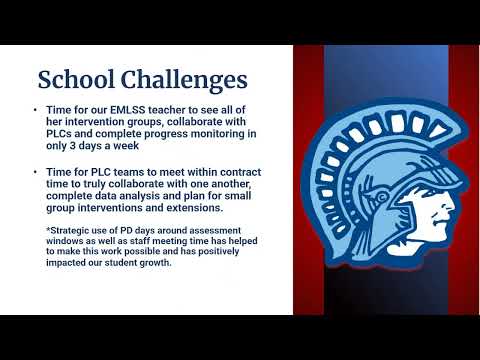
The presenter said the school has focused on building collective teacher capacity (PLC time), tiered reading and math interventions, and restorative practices to keep students in class and improve learning time. The board discussed whether portions of the model could be replicated at the high school.
Administrators characterized the changes as driven by staff, structures and targeted interventions rather than a single program, and they recommended continuing and expanding these practices into next year.