Get Full Government Meeting Transcripts, Videos, & Alerts Forever!
Get email alerts on the Unhoused Students Bps Supports topic
No spam. Unsubscribe anytime.
BPS officials report record numbers of students experiencing homelessness and describe integrated supports
Summary
BPS staff told the council the district identified about 5,200 students experiencing homelessness last year and described programs — including Access to Counsel (A2C), emergency homelessness intervention (EHIP), and per‑pupil allocations for impacted schools — to coordinate legal help, case management and other supports.
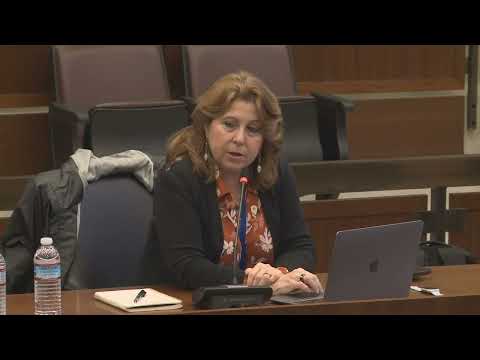
Boston Public Schools officials told the City Council on April 15 that the district identified about 5,200 students experiencing homelessness during the prior school year and outlined how BPS coordinates legal and case‑management supports for affected families.
Brian Marks, who oversees the Opportunity Youth Department, described the Access to Counsel (A2C) program (Greater Boston Legal Services partnership) as integrated with case management and the district’s Emergency Homelessness Intervention Program (EHIP). Marks said families accessing A2C receive no‑cost legal counsel for eviction proceedings alongside wraparound services such as emergency financial assistance, enrollment support, child care connections and workforce development referrals.
BPS officials said they allocate per‑pupil funding to schools for students identified as experiencing homelessness and provide an additional concentration allocation for schools where 5% or more of the student body is recorded as unhoused. The district also said it provides transportation for students displaced outside of Boston but that those busing costs are initially paid from the BPS budget and partially reimbursed through state programs such as the McKinney‑Vento reimbursement and, in some cases, circuit‑breaker special‑education payments or cost sharing with sending districts.
Why it matters: BPS officials said homelessness among students creates barriers to attendance, participation in extracurriculars and overall learning. Superintendent Skipper and Marks emphasized that the identified number (about 5,200) may undercount families who are not connected to services, and that many more families may be doubled up or otherwise unstably housed.
Voucher program: Marks and other officials told the committee the city voucher program (administered by Boston Housing Authority) previously helped permanently house more than 1,700 BPS families while it operated; federal funding for that voucher stream lapsed in December 2024 and vouchers are not currently available. BPS said the program made hundreds of referrals in prior years but that the program is currently closed to new referrals due to funding limits.
Officials said BPS will provide the council with school‑level lists of where concentrations of students experiencing homelessness exceed 5% and will work with council offices on further data requests about attrition and family counts that underlie the student tally.