Get Full Government Meeting Transcripts, Videos, & Alerts Forever!
Historian Stephen Lawson: Voting Rights Act boosted Black registration and representation but limits remain
Summary
At a University of Montana Martin Luther King Day lecture, historian Stephen Lawson reviewed four decades of the Voting Rights Act, citing dramatic gains in Southern Black voter registration and elected officials while warning of persistent barriers including vote dilution, redistricting battles and felon disfranchisement.
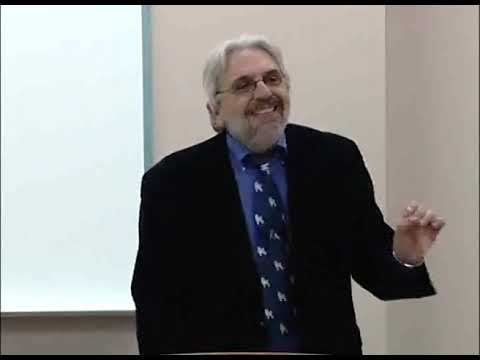
Stephen Lawson, a historian and visiting professor, told a University of Montana audience that the Voting Rights Act of 1965 produced “remarkable increases” in Black voter registration and in the number of Black elected officials, while stressing that the law has not solved deeper economic and social disparities.
Lawson delivered the lecture as part of the university’s Martin Luther King Day events. He reviewed how the law’s special provisions — including federal supervision and the use of federal registrars in some Southern jurisdictions — helped raise registration among eligible Black adults in the seven originally covered states from a small minority in 1964 to roughly 60 percent within four years after passage, calling Mississippi “the model” of that transformation.
The lecture examined why the right to vote mattered and what it did not automatically achieve. Lawson emphasized that the Voting Rights Act recognized the collective nature of Southern disfranchisement and used…
Already have an account? Log in
Subscribe to keep reading
Unlock the rest of this article — and every article on Citizen Portal.
- Unlimited articles
- AI-powered breakdowns of topics, speakers, decisions, and budgets
- Instant alerts when your location has a new meeting
- Follow topics and more locations
- 1,000 AI Insights / month, plus AI Chat