Get Full Government Meeting Transcripts, Videos, & Alerts Forever!
Get email alerts on the Substance Use Methamphetamine topic
No spam. Unsubscribe anytime.
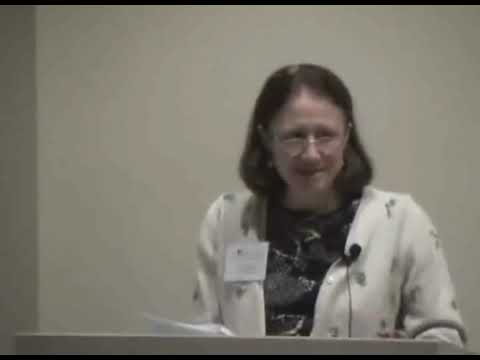
Montana Meth Project presenter warns of rising meth use among Missoula women and teens
Summary
Paige Shea of the Montana Meth Project told a Missoula audience that methamphetamine availability and use are widespread locally, cited treatment and foster-care statistics, and described a prevention media campaign aimed at reducing youth use and increasing parent-child conversations.
Paige Shea, executive director of the Montana Meth Project, told a Missoula audience that methamphetamine availability and addiction have risen in Montana and urged prevention, public education and expanded treatment capacity.
Shea described methamphetamine as "a powerful central nervous system stimulant that strongly activates multiple systems in the brain," and explained that the drug's manufacturing, distribution and pharmacologic effects have produced a rapid rise in addiction and related harms across rural parts of the state.
Key local data Shea cited: treatment admissions for women with meth problems rose more than 50 percent between February 2002 and February 2004; about 85 percent of women in a recent state prison report had a recent history of meth use; and in a state survey roughly 41 percent of Montana teenagers (age 12'17) said methamphetamine was easy to obtain. She said about 52 percent of children in foster care in Montana were placed because of parental meth problems in a recent report she referenced.
Shea described cognitive and psychiatric harms from meth use, including severe dopamine surges in the brain that she compared with natural rewards. She cited a laboratory comparison showing dopamine release measures that were hundreds of times larger for meth than for natural rewards and said the drug can act as a neurotoxin, producing cognitive impairments similar to traumatic brain injury.
On prevention, Shea outlined the Montana Meth Project's media campaign aimed at teens and parents. The campaign uses real Montana youths in radio and television messages and seeks to reduce perceived benefits of meth use and increase parent'child conversations. Shea cited survey results the project tracked: an increase in the share of teens saying meth "does not make you popular" (reported as rising from roughly 73 percent to 87 percent in campaign-targeted measures) and a 44 percent increase in parent'teen discussions about meth in the period surveyed.
Shea also discussed treatment challenges: relapse rates are high, treatment can take years, and she recommended long-term support, noting that recovery-related symptoms such as sleep disturbance and cognitive difficulties can reappear six months after initial abstinence. She described residential options in Missoula for women with children (Carol Graham Home) and called for more treatment resources and ongoing prevention work.
Shea traced meth's arrival in rural Montana to changes in precursor access, cross-border supply chains and the economics of distribution, and said that while manufacturing shifted away from local small labs after changes in pseudoephedrine regulations, supply and demand keep meth in rural communities. "We need to create an environment in the state where the majority of our kids say, 'That's a bad drug,'" she said.
The presentation included descriptions of survey methodology and dates (surveys cited were conducted in February of multiple years and comparisons referenced data from 2002 and 2004). Shea said the Montana Meth Project focuses on prevention campaigns statewide and recruits volunteers to support local outreach.