Get Full Government Meeting Transcripts, Videos, & Alerts Forever!
Get email alerts on the Menopause topic
No spam. Unsubscribe anytime.
Missoula physician demystifies menopause, urges individualized decisions on hormone use
Summary
Dr. Anne Murphy told a Missoula women's health audience that perimenopause is often the most symptomatic period, hormone therapy decisions should be individualized and re-evaluated yearly, and that the Women's Health Initiative remains the key long-term study guiding risk assessments for estrogen therapy.
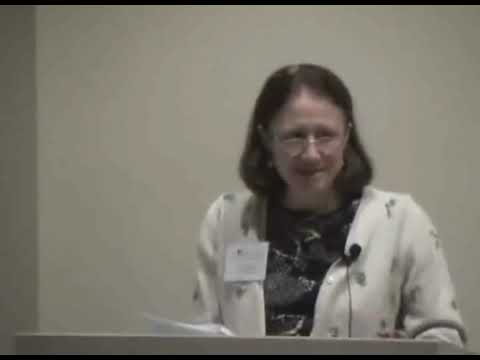
Dr. Anne Murphy, a physician speaking at a Missoula women's health event, told attendees that the most disruptive symptoms occur during perimenopause and urged women and clinicians to tailor treatment to symptoms, personal and family history, and stage of transition.
Murphy said perimenopause commonly lasts three to seven years before the last period, and that the average onset of perimenopausal symptoms is about age 47 but the normal range runs roughly 40 to 55. "With a little common sense and guidance, you really aren't gonna do this wrong," she told the audience.
Why this matters: confusion about menopause treatments has risen after decades of shifting advice about hormone replacement. Murphy cited the Women's Health Initiative (WHI), a large randomized study, as the best long-term evidence available and said it changed clinical practice by showing increased risks associated with some hormone regimens.
Murphy summarized clinical guidance from her 23 years of practice: rely on symptom reporting rather than single hormone blood or saliva tests during perimenopause because hormone levels fluctuate; reassess treatment choices every six to 12 months; and consider nonhormonal options for mood and cognitive symptoms. She said antidepressants frequently provide better relief than hormones for mood and some cognitive complaints, and that many sleep medicines can be used short term without long-term dependence.
On hormone therapy, Murphy described key WHI results she presented: the combined estrogen-progestin product studied (Prempro) was associated with an increased incidence of breast cancer, heart attack and stroke, while estrogen alone (used in women without a uterus) showed a smaller increased risk of stroke but not of breast cancer or heart attack. "There's no one right or wrong answer to this question," she said, emphasizing individualized risk assessment and regular monitoring, including bone-density checks, lipid profiles and mammography for women using hormones long term.
Murphy warned against assuming unstudied bioidentical or topical hormone preparations are safer than the WHI-tested products: "There's no reason to assume that." She advised that decisions about continuing hormone therapy should be revisited if personal or family circumstances change, for example if a close relative develops breast cancer.
She also noted that postmenopausal vaginal dryness is commonly treatable with topical therapies that have less systemic exposure than systemic estrogen, and that many menopausal symptoms are temporary: "The menopause is actually a time of fewer symptoms than is the perimenopause," she said.
Murphy closed by stressing quality-of-life considerations and annual clinical follow-up during the transition.
Acknowledgments and sources: Murphy referred repeatedly to the Women's Health Initiative during her remarks and described its design and implications for long-term estrogen use.