Get Full Government Meeting Transcripts, Videos, & Alerts Forever!
Get email alerts on the Mindfulness topic
No spam. Unsubscribe anytime.
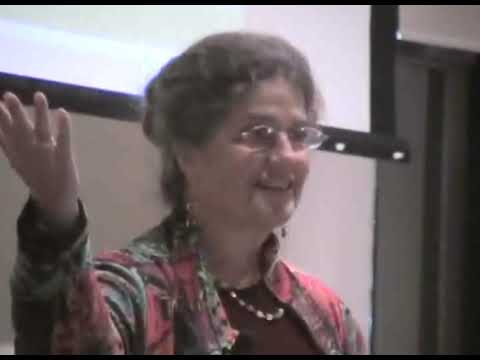
Nancy Seldin leads mindfulness session emphasizing breath work and present‑moment awareness
Summary
Nancy Seldin led a community presentation on mindfulness, describing breath techniques, the goal of single‑focus attention, brief guided meditation and citing research on stress reduction and immune benefits.
Nancy Seldin, a presenter who teaches workshops at the University of Montana, led a community mindfulness session that combined a short lecture, a guided breathing exercise and a 15‑minute meditation practice.
Seldin said mindfulness means "slowing down, going from multitasking to a single focus" and described the practice as "physiologically calming your body through a variety of methodologies." She framed the practice as accessible to people of any faith: "You don't have to be a Buddhist or an anything‑ist to practice mindfulness."
In her talk Seldin emphasized three elements: breath work, bringing attention to the present moment and avoiding “reacting to your reactions.” She instructed the group to notice the speed and location of their breathing and to try to bring breath into the abdomen, explaining that slowing to "around 6 to 8 breaths a minute" can be calming and that simply counting breaths can reduce immediate anxiety. She led a short guided practice in which attendees were asked to notice sensations and use two words—"calm" on the in‑breath and "release" on the out‑breath—while returning the attention gently when the mind wandered.
Seldin referenced mainstream research while cautioning about overstatement. She mentioned work at Harvard and the University of Massachusetts in Worcester as examples of research lines suggesting physiological benefits, including changes in immune markers and reduced need for some chronic pain medications when people follow structured programs. She noted the best‑known practical resource is Jon Kabat‑Zinn's book Full Catastrophe Living, which she said is listed on the handout distributed at the event.
Seldin described the type of program used in many clinical studies — an eight‑week course with daily practice — and contrasted that with the short, accessible practices she was teaching at the session. She cautioned that mindfulness is not a substitute for medical treatment: "Would I suggest that you stop taking [blood‑pressure medication] and just do this 15 a day? Absolutely not," she said, noting that clinical studies involve longer, more intensive practice schedules.
Resources mentioned at the session include the book Full Catastrophe Living by Jon Kabat‑Zinn and academic research centers cited by the speaker; the handout distributed at the event listed further reading and web resources.