Get Full Government Meeting Transcripts, Videos, & Alerts Forever!
Get email alerts on the Dei And Belonging topic
No spam. Unsubscribe anytime.
Natomas Charter presents DEI, belonging and PBIS plan; staff and family surveys show high reported belonging
Summary
District leaders and campus staff described multi‑campus diversity, equity and inclusion work and behavior supports, presenting staff, student and family survey results and an action plan to deepen training and implement PBIS tier 2 and restorative practices.
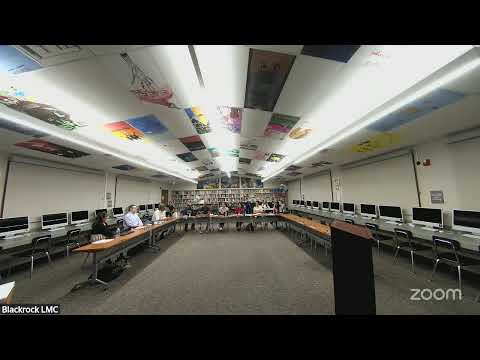
Natomas Charter District leaders on April 14 outlined a multi‑campus plan to strengthen belonging, equity and behavior supports across its five academies, presenting staff, student and family climate survey data and next steps for professional learning and PBIS implementation.
The presentation, led by district staff and site leaders, summarized staff survey results showing high staff feelings of belonging (96% agreed/strongly agreed) and family survey results where 91% of responding families said their child feels they belong at school. Student responses (grades 3–12) varied by campus: Star Academy 82%, PACT 90%, Leading Edge 85%, PFAA 80% and Early College Academy 87%.
Why it matters: The district said it will use survey findings and staff listening sessions to drive a three‑year professional learning scope and sequence, expand PBIS tier 2 interventions, continue restorative‑practice training for counselors and deans, and increase library collections and curriculum materials to reflect district diversity.
What presenters described
- Staff professional development: District leaders and site DEI leads reported a sequence of staff sessions, self‑reflection surveys on implicit bias, individual action plans with accountability partners, and follow‑up classroom observations and consultations. Staff requested deeper, multi‑session professional learning rather than single brief trainings; the district plans multi‑year content and site‑based coaching.
- Behavior supports: Presenters said campus PBIS (Positive Behavior Interventions and Supports) is in place for Tier 1 and the district will phase in Tier 2 interventions for the subset of students who need targeted supports. Restorative practices training for counselors and deans was described as already in progress on multiple campuses.
- Curriculum and libraries: District staff said libraries received more than 1,000 new titles systemwide this year, including nonfiction and books selected to better reflect community diversity. Arts and production programs were cited as examples of intentionally diverse storytelling and student leadership opportunities.
- Community feedback and next steps: Site leaders conducted listening sessions (staff and classified employees) facilitated by a DEI consultant; district leaders met with campus administrators to convert themes into action plans for 2025–26. The district intends to hold a follow‑up, cross‑site DEI meeting in the fall to align work systemwide.
What the data show
- Staff survey: 96% of staff respondents agreed or strongly agreed they feel they belong at Natomas Charter School; 95% said people at the school care about them as a person.
- Family survey: 96% of families agreed people of different cultural backgrounds, races or ethnicities get along well at the school; 91% said their student feels they belong.
- Student survey (grades 3–12): Reported sense of belonging by campus — Star Academy 82%, PACT 90%, Leading Edge 85%, PFAA 80%, Early College Academy 87%.
Presenters and roles
The DEI presentation was led by district instructional leaders and site DEI leads with facilitation support from a DEI consultant. School staff and principals from each academy described site‑level work and provided examples of professional development, curriculum alignment and student leadership programs.
Ending note
District leaders said the DEI work will continue into 2025–26 with targeted professional learning, PBIS tier 2 roll‑out and additional parent and student listening sessions. They also committed to sharing detailed survey response counts and the multi‑year action plan with the board and the community.