Get Full Government Meeting Transcripts, Videos, & Alerts Forever!
Get email alerts on the Mental Health Restorative topic
No spam. Unsubscribe anytime.
BPS expands restorative-practices teams and substance-counseling access as vaping and social-media issues rise
Summary
During a budget hearing, BPS leaders described a districtwide push to add restorative-practices staff, place substance counselors in regional networks and use school-based approaches to address vaping and social-media harms. Officials said the strategy emphasizes support over punishment.
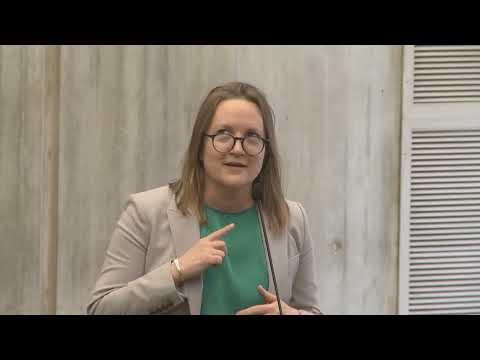
Boston Public Schools officials told the Boston City Council Committee on Ways and Means on April 14 that the district has increased investments in restorative practices, school-based substance counseling and social-emotional learning to address student mental health, vaping and the classroom effects of cell-phone use.
Why it matters: Mental-health supports and discipline approaches shape school climate, student safety and long-term academic outcomes. The district described prevention-focused, restorative models and clinical partnerships as central to its FY26 approach.
BPS said it has embedded restorative-practices staff within regional networks so coaches can build school capacity and respond to crises. "We made it a deliberate decision to add the restorative practice coaches, which we call the RSAs, into the regional networks so that every network has one," said Corey McCarthy, chief of student support. He said restorative practices are used to reduce punitive discipline and to provide circles and peer mediation when community harm occurs.
On substance use and vaping, officials said the district shifted away from punishment toward counseling: incidents involving vaping or suspected substance use trigger referral to a regional substance counselor for immediate support rather than automatic exclusion. "It's not about punishing the student, it's about supporting the student," a district official said.
Officials also discussed rising concerns about cell-phone use during emergencies and everyday school life. BPS said it is supporting a mix of school-level policies and technologies — including Yonder pouches in about 50 schools — and is encouraging local buy-in from students, families and staff. The superintendent described the district's communications protocol during emergencies: officials aim to provide correct information as quickly as possible but acknowledged that students' cell phones and outside media can spread information faster than district channels.
What comes next: BPS plans to continue training and expand restorative-practices capacity over multiple years, hold a restorative-practices conference next year, and monitor outcomes for referrals to substance counselors. District staff said they will also pursue increased family engagement about vaping and social-media effects and continue to pilot device-management solutions at willing schools.