Get Full Government Meeting Transcripts, Videos, & Alerts Forever!
Get email alerts on the Student Homelessness topic
No spam. Unsubscribe anytime.
BPS: about 5,000 students estimated unhoused; schools rely on social workers and resource network
Summary
BPS officials told the council they estimate roughly 5,000 students are experiencing homelessness and described school-based social workers, the Homelessness Education Resource Network and regional triage teams as primary supports.
Boston Public Schools officials told the City Council Committee on Ways and Means on April 14 that the district is responding to a significant increase in students experiencing housing instability and detailed how school-based teams, regional networks and community partners coordinate short- and long-term support.
Why it matters: Students without stable housing face barriers to attendance, learning and health; the district presented its response systems as part of the FY26 budget hearing on health, wellness and wraparound services.
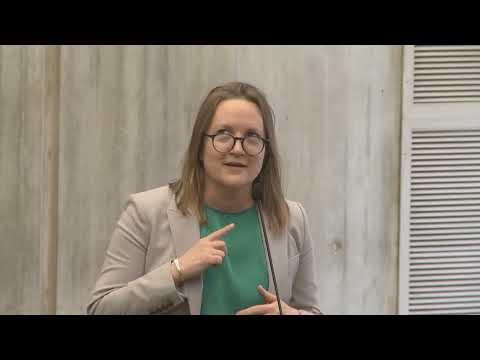
BPS officials said they estimate roughly 5,000 students are experiencing homelessness — a sharp increase from prior years — and described an integrated approach that begins at the school level with student-support teams. "The student support school based team, they typically, receive that information. We triage from there," said Corey McCarthy, chief of student support. He outlined how triage connects schools to the Homelessness Education Resource Network (HERN), housing vouchers and clinical partners when needed.
Superintendent Sam DePina (spelled in testimony several ways) told the committee the district tries to work with the entire family system and emphasized social workers in every building: those staff often are the first to spot issues such as clothing deterioration or regular absences and then activate city and nonprofit supports.
Officials said the district is also working to operationalize supports for older students, including 18-year-olds who may be separated from guardians and need immediate housing solutions. "By then, it becomes like a serious tier 3, tier 4 case where we have to get that student housed, short term and long term," McCarthy said.
District staff referenced partnerships with city agencies and nonprofit organizations including Home for Little Wanderers and other local service providers to place families in temporary or more stable housing. Staff said the district's investments in social workers and a referral network are essential but that the underlying problem is driven by broader economic conditions.
What comes next: BPS said it will present more data and response metrics in follow-up briefings (Brian Marks was mentioned as presenting additional data the next day). Officials told council members they will continue to refine triage procedures and coordinate with city agencies to expand short-term housing resources and long-term stabilization for students and families.