Get Full Government Meeting Transcripts, Videos, & Alerts Forever!
Get email alerts on the Project Delivery topic
No spam. Unsubscribe anytime.
Caltrans says delivery is behind schedule on some measures but notes high‑dollar projects are progressing
Summary
Caltrans reported to the Transportation Commission that several delivery measures lag year‑to‑date compared with last year, driven partly by a portfolio of very large projects, right‑of‑way and permitting delays and emergency response demands; the department outlined portfolio‑level risk management and training steps to improve delivery rates.
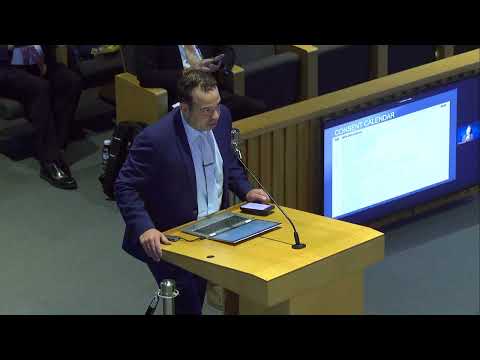
Long Beach — Caltrans presented its second quarter project delivery report for fiscal year 2024–25, telling the California Transportation Commission that while some milestone measures trail prior years, the department is delivering larger capital projects and has several mitigation steps underway to improve on scheduled milestones.
Acting Division Chief of Project Management Sujaya Kalanasen reported that at the end of quarter two several delivery metrics (for example, projects certified for right‑of‑way and projects designed and ready for construction) were below the historical year‑to‑date percentages. She noted, however, that in dollar terms the department had a higher capital delivery amount—$923 million in construction capital associated with delivered projects—because the portfolio includes multiple large projects near $100 million each.
Caltrans identified a set of high‑risk and delayed projects (dozens of projects) where permitting, utility relocations, railroad coordination and right‑of‑way acquisitions are the dominant risks. Kalanasen said 43 projects are likely to be delayed past the fiscal year and that many delayed projects carried multiple risks—on average more than three high‑level risks per delayed project.
Caltrans described portfolio actions intended to raise delivery rates: deeper root‑cause and critical‑path reviews at the project level, early and more frequent coordination with permitting agencies, a renewed emphasis on right‑of‑way and utility schedule management, cross‑district trainings and a planned Quality Enhancement Joint Review of district practices starting July 2025. Kalanasen said the department is also “rightsizing” the portfolio to align schedules and programmatic commitments with realistic risk profiles.
Commissioners asked about the impact of emergencies—fires, floods and other events—on project delivery. Caltrans staff acknowledged the department’s response to emergency events draws resources away from planned project delivery and that a record‑high number of emergency events in recent years has complicated schedules.
Why it matters: Project delivery performance determines when projects move from planning into construction and ultimately when communities see completed improvements. Delays can push costs higher, slow safety improvements and complicate cash‑flow and programming plans.
What’s next: Caltrans plans additional portfolio reviews and district support and will return with continued delivery updates. The department said it will work with the commission on allocation and scheduling decisions as risks are mitigated and schedules are revalidated.