Get Full Government Meeting Transcripts, Videos, & Alerts Forever!
Get email alerts on the Transportation Needs Assessment topic
No spam. Unsubscribe anytime.
CTC releases draft 2025 transportation needs assessment, finds long‑term revenue shortfall
Summary
Long Beach — Commission staff released the draft 2025 State and Local Transportation System Needs Assessment, estimating a 10‑year shortfall of roughly $216 billion after accounting for declining fuel consumption.
Long Beach — Commission staff released the draft 2025 State and Local Transportation System Needs Assessment (required under SB 1121), reporting estimated 10‑year transportation needs of roughly $757.5 billion against base revenues of $572 billion and an adjusted revenue estimate of $541 billion after accounting for declining fuel consumption, producing an estimated shortfall in excess of $216 billion over the decade.
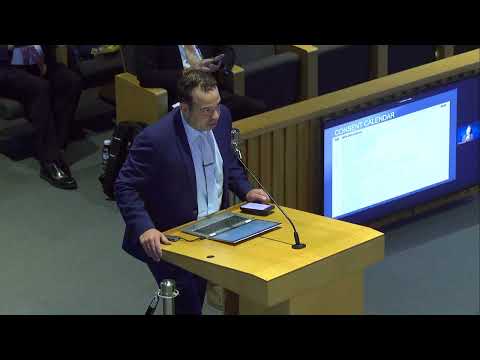
Staff lead Frances (presentation name) said the assessment uses regional transportation plans, the State Highway System Management Plan, and other statewide analyses and noted the effort included 11 stakeholder work groups and targeted technical and policy workshops. The assessment recommends that the legislature consider adopting a fully funded, ‘‘sustainable funding mechanism’’ to replace the state excise gas tax and favor a phased transition to reduce shocks to communities and programs.
The draft findings call for additional study in several areas that require more data and focused programs: tribal transportation needs, accessible transportation for people with disabilities and seniors, and climate resiliency funding. The staff report recommends that the legislature identify an ongoing funding source for climate resiliency and consider directed studies or data collection to better capture tribal and accessibility needs before the next five‑year update.
Public commenters offered policy perspectives. Sofia Raficova of the Coalition for Clean Air urged the commission to recommend a road‑user charge that includes a variable rate by income and vehicle efficiency to protect low‑income households and to retain EV incentives. A mayoral commenter from King City urged solutions that do not unfairly burden rural communities and suggested registration fees as an alternative. Commission staff clarified the draft does not endorse a particular revenue mechanism; rather, it recommends the legislature pursue a sustainable replacement and that the commission will participate in subsequent policy work.
Why it matters: The assessment frames California’s transportation funding gap and provides the legislature and the public with policy options and priority areas for study. The size of the shortfall means decisions about revenue, project prioritization and local‑regional funding authority will have long‑term consequences for state and local capital programs and operations.
What’s next: The draft was released March 3 with a 30‑day public comment period closing April 1. Staff will incorporate public comments and bring a final needs assessment to the commission in May for adoption and transmittal to the legislature.