Get Full Government Meeting Transcripts, Videos, & Alerts Forever!
Get email alerts on the Mental Health Diversion topic
No spam. Unsubscribe anytime.
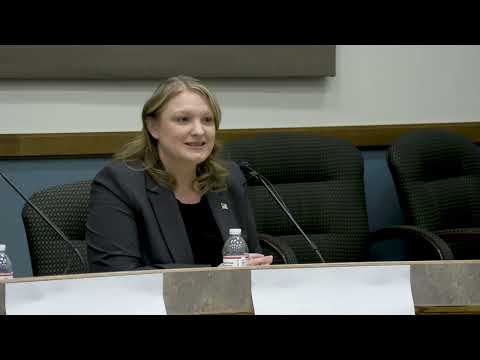
Candidates call for more local mental-health resources, expanded diversion programs in Saint Croix County
Summary
At a New Richmond forum, candidates for Branch 2 urged county-level mental-health treatment options, discussed diversion programs and supported a proposed family treatment court funded by a multi-year grant.
Candidates at a New Richmond forum said Saint Croix County needs more local mental-health capacity and expanded diversion programs to reduce jail use and improve outcomes for defendants.
Brian Smithstead, deputy district attorney and a candidate for Branch 2, said transporting people who need emergency commitment to Madison or Winnebago is resource‑intensive and disruptive. "We need a mental health treatment facility in Saint Croix County," he said, adding that officers must be used for long transports and that the county has tried unsuccessfully for years to secure closer options.
James "Jamie" Johnson, who served long stints in community organizations and school governance, urged wider use of diversion programs and highlighted a recently applied-for initiative. He said "children's services... applied for a 3 year grant. It's $125,000 per year to try to start up a family treatment court," a program he said would help parents in out-of-home-placement proceedings get treatment and reduce time in foster care.
All candidates described existing options — drug treatment court, pre‑charging diversion and county-provided justice support services — as helpful but insufficient. Smithstead and others said some diversion tools operate post‑plea (deferred-judgment contracts that require assessments and treatment) and that success depends on tracking and enforcement. "If they don't do what they're supposed to do... we have a hearing where we explain to the judge they didn't follow what they're supposed to do," Smithstead said, describing revocation procedures.
Candidates urged more coordination and local capacity rather than sending residents long distances for court‑ordered care. Jamie said treatment courts and diversion reduce recidivism and taxpayers' costs; Smithstead noted an opioid-settlement-funded behavioral-health specialist in the jail and called for more permanent local facilities and services. Heather Amos said judges should support community safety while ensuring defendants understand proceedings, especially if unrepresented.
None of the candidates offered a fully formed funding plan at the forum; Johnson cited a specific grant application and Smithstead described past, unsuccessful county efforts to secure local inpatient beds.