Get Full Government Meeting Transcripts, Videos, & Alerts Forever!
Get email alerts on the Compensation And Payroll topic
No spam. Unsubscribe anytime.
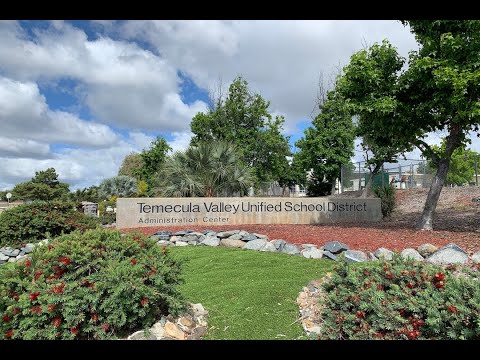
Temecula Valley USD board approves 2024–25 salary schedules after split over superintendent review
Summary
The Temecula Valley Unified School District Board of Education voted 3–2 to ratify 2024–25 administrative, confidential, classified and executive salary schedules effective July 1, 2024, after heated debate over whether the superintendent should be evaluated before any pay adjustment.
The Temecula Valley Unified School District Board of Education voted 3–2 Tuesday to ratify the district's 2024–25 salary schedules for administrative, confidential, classified, non‑administrative and executive positions effective July 1, 2024.
The board’s vote followed nearly two hours of discussion, during which several trustees said they supported pay increases for staff across the district but sought to separate the superintendent’s compensation from that group until a formal evaluation could be completed. Dr. Melinda Anderson, board president, moved the motion to approve; Member Steven Schwartz seconded it. The motion passed with Anderson, Schwartz and Member Veil Barham voting yes and Members Jennifer Wiersma and Dr. Joseph Komarowski voting no.
Supporters said the increases were needed to remain competitive in recruiting and retaining principals and other leadership. “I just believe that we need to be competitive, with salaries,” Member Barham said during debate, noting four principal vacancies the district expects to fill.
Opponents pressed for accountability tied to performance reviews. “I won't give him a raise until he's evaluated,” Member Wiersma said of Superintendent Gary Woods, describing the superintendent evaluation as the board’s highest duty under CSBA guidance. Dr. Komarowski echoed that view, saying board-level evaluation criteria should be measurable and in place before awarding a raise to the district’s top executive.
Superintendent Gary Woods and staff described the schedules as standard salary‑schedule adjustments that apply to positions rather than individual merit increases, and explained the district’s practice of moving employees one step each July pending a positive evaluation. Francisco Arce, secretary to the board, and district HR staff answered technical questions about how schedules and step increases operate.
The board also debated a separate, unsuccessful motion to move consideration of the superintendent’s compensation to a closed session evaluation at the next meeting.
What the vote means: The approved schedule increases will apply districtwide on July 1. Trustees who opposed the vote said they will press the board’s accountability subcommittee to finalize measurable evaluation criteria before considering separate action on the superintendent’s contract or off‑schedule pay.
The board’s action followed other business during the meeting, including ratification of several closed‑session settlement agreements and routine consent calendar approvals.