Get Full Government Meeting Transcripts, Videos, & Alerts Forever!
Get email alerts on the Government Building Study topic
No spam. Unsubscribe anytime.
Board approves $75,000 JMA Architecture study; local judges urge tabling and broader comprehensive review
Summary
The board approved a $75,000 architectural and engineering proposal from JMA Architecture to evaluate the existing government building for judicial needs. Several judges objected at the meeting, asking that the board table the item for a broader study; the board voted to proceed and authorized the proposal.
The Stephens County Board of Commissioners voted to accept a proposal from JMA Architecture for architectural and engineering services to evaluate the viability of the existing government building for present and future judicial needs. The proposal covers a two‑phase effort: Phase 1 (evaluation of existing structure, ~45 days) and Phase 2 (development of a program of space and potential additions, ~75 days). The total estimated cost cited in the agenda packet is about $75,000, with funds available in SPLOST 7.
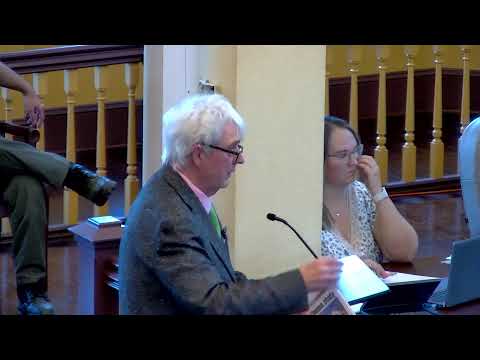
Several judges and a group of judicial stakeholders addressed the board during the meeting, asking that the item be tabled and that the county perform a more comprehensive study before committing additional funds. A judge speaking from the audience said the judges and other stakeholders have sought a comprehensive plan that could include the courthouse, library and downtown considerations, argued that prior committees had studied related issues over several years, and raised concerns about past spending (the speaker said roughly $70,000 had already been spent and additional amounts would follow). The judge requested the board defer action so a broader study could be completed and more stakeholders consulted.
Board leadership declined to alter the agenda order; the chair and other board members said the item was on the agenda for action that evening and that public comment could occur during the citizen comment portion if not allowed earlier. After a short back‑and‑forth over scheduling and the scope of the requested study, a motion to approve the JMA proposal was made and seconded; the board carried the motion by voice vote.
The transcript records substantive disagreement about scope and stakeholder engagement but does not show any formal amendment to the JMA proposal. The county packet (referenced during the meeting) lists the proposal’s scope, cost estimate and schedule.