Get Full Government Meeting Transcripts, Videos, & Alerts Forever!
Get email alerts on the Budget And Capital topic
No spam. Unsubscribe anytime.
Committee backs GSX pinsetter replacement and forwards Sports Pavilion budget to governing board
Summary
The Sun City West Sports Pavilion Committee reviewed the FY25–26 operating budget and capital plan, supported replacing 30 GSX pinsetters at $892,000, and agreed to forward the capital and rate proposals to the governing board for consideration.
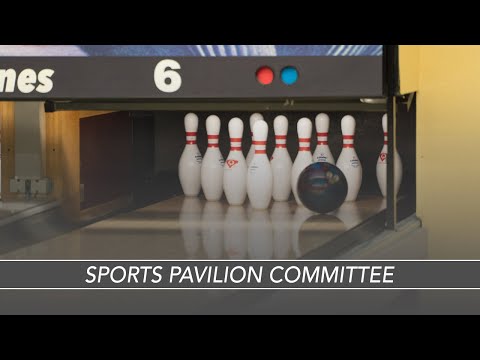
At a March meeting of the Sports Pavilion Committee in Sun City West, Chair Rose said the committee will forward the proposed FY25–26 operating budget and capital plan — including a proposed $892,000 purchase of GSX pinsetters to replace aging equipment — to the governing board for further action.
The proposal matters because the pinsetter purchase is the largest single line in the pavilion’s capital plan and affects reserves and future operating decisions. "We knew this day would come and we planned for it," Chair Rose said, noting the community’s reserve fund had been built to cover replacement cycles.
Cliff Swan, who led the budget presentation, said the committee and staff built the operating plan to preserve the facility and to continue funding the reserve. Swan said staff are proposing a 6% overall increase in rates and that the changes would generate about $65,000 in additional revenue. "We're proposing a 6% increase overall in rates, specifically with bowling fees ... and that'll generate an additional $65,000 in revenue for us," Swan said. The rate recommendations include a 25¢ per-line increase for resident league bowling, a 50¢ per-line increase for nonresident bowling, a $10 increase in nonresident annual cardholders to $40, higher locker fees for members and nonmembers (member +$5; nonmember +$10) and raising shoe rentals to $3.
Staff and committee members reviewed how the capital list is handled: items under $50,000 can be approved by the general manager; items between $50,000 and $100,000 are brought to the committee for review and could be recommended to the governing board for removal if the committee objects; items above $100,000 require governing-board action. The GSX pinsetter line — listed at $892,000 for 30 units — is in the latter category. Gary Zarek, Sports Pavilion manager, described the pinsetters as old, with parts and reliability concerns.
Swan told committee members that the pavilion expects to finish the current year with a modest favorable variance and that the proposed rate changes and budget adjustments aim to replenish and grow reserves for long-term replacement cycles. He outlined other budget drivers: labor (29 positions equating to about 16 full-time equivalents), repairs and maintenance increases tied to older equipment, a projected modest rise in utilities and a planned increase in carpet cleaning and billiard-room refurbishing.
Committee members voiced general support after a facility tour and technical briefing. Several members verbally indicated they supported leaving the capital items on the plan and forwarding them to the governing board; the record shows multiple members expressed assent during the meeting but no formal roll-call vote was recorded. Chair Rose reiterated the schedule: the governing board will review capital items on April 17; the association will hold public forums April 24–25; and final approval of the annual financial plan is scheduled for May 22.
The committee discussed procurement risks and contingency planning. A resident asked whether tariffs or import costs could affect large purchases. Swan said prices are reviewed before tariffs and that staff will monitor any changes; committee members noted the pinsetters are manufactured in Hungary and recommended monitoring price and supply risks.
Next steps: the committee forwarded the capital plan and the operating budget proposals to the governing board for review on the dates listed above. No formal committee roll-call vote was recorded in the transcript; members instead gave verbal assent during the meeting.