Get Full Government Meeting Transcripts, Videos, & Alerts Forever!
Get email alerts on the Police Conduct topic
No spam. Unsubscribe anytime.
City to pay $938,328 to settle 2020 journalist and legal‑observer lawsuit against PPB
Summary
Portland will settle the Woodstock et al. civil‑rights suit alleging force against journalists and legal observers during 2020 protests for $938,327.64; plaintiffs and advocates urged approval and called for accountability and policy changes.
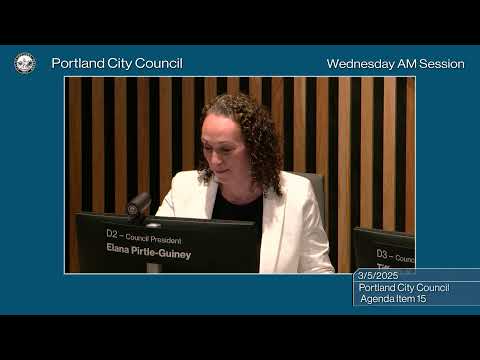
The City of Portland on March 5 approved a settlement totaling $938,327.64 to resolve the federal civil‑rights lawsuit Woodstock et al. that stemmed from police interactions with journalists and legal observers during protest responses in 2020.
Senior deputy city attorney Denis Vanier told the council the proposed agreement resolves retrospective claims for damages by nine individual plaintiffs and the plaintiffs’ claims for attorney fees and costs. The settlement also includes a city commitment not to materially amend Portland Police Bureau Directive 635.10 sections 11.2 through 12 (which govern public‑order response) through Dec. 31, 2028, unless state or federal law changes require amendment.
The case: Plaintiffs, including journalists and legal observers represented by organizations such as the ACLU of Oregon and nonprofit public‑interest counsel, alleged unconstitutional use of force, Fourth Amendment violations and First Amendment interference during multiple protest events following George Floyd’s murder in 2020. A U.S. district court dismissed prospective injunctive claims in 2023 after state law changes and an updated PPB directive altered the legal landscape; the remaining claims concerned past damages.
Why it matters: The ACLU of Oregon and public‑interest lawyers who spoke at the meeting said the settlement is fair and urged council approval to avoid further expense and to ensure the city’s media‑access protections remain in place. Public accountability attorneys and press freedom advocates said the settlement and the preservation of the directive protect journalists’ ability to observe and report on law‑enforcement activity.
Public testimony and oversight questions: Representatives of the ACLU of Oregon and Public Accountability urged passage to bring closure and preserve protections for press and observers. Portland Copwatch and other speakers pressed for more transparency about how lessons from lawsuits translate into policy and training changes; they asked that the monitor or compliance auditor review the bureau’s protest responses. Multiple councilors asked the legal team what changed since 2020; the city attorneys and PPB leadership said state statutory changes, a revised directive and body‑worn cameras all reduced future risk.
Councilors noted the city’s ongoing fiscal constraints and asked for details on lawsuit frequency and payouts. City risk management provided totals for paid claim amounts and legal costs: over the past year, the city reported roughly $4.5 million paid (injury and property combined) and legal costs of approximately $6.5 million across related coverages (staff cautioned figures can lag and some claims remain open).
Vote: The emergency ordinance to approve the settlement passed on a recorded roll call (tally: yes 11, no 1). Councilors who spoke in favor cited the public‑interest value of protecting journalists and the financial pragmatism of settlement; one councilor voted against the measure on process grounds.
What’s next: City staff said the settlement will be processed through the payments and claims workflow and the bureau’s directive language will remain unchanged through 2028 unless law requires changes. Several councilors asked for continued independent oversight and reporting on protest‑related force and on the city attorney’s approach to litigation and appeals.