Citizen Portal
Sign In

RCSC board, citing legal counsel, refers member-proposed motions to study and will not take membership votes

2661091 · March 11, 2025

Loading...

AI-Generated Content: All content on this page was generated by AI to highlight key points from the meeting. For complete details and context, we recommend watching the full video. so we can fix them.

Summary

At the Recreation Centers of Sun City Incorporated annual membership meeting, President Tom Foster said the board followed legal advice to refer all member-proposed motions to the board for study and not hold membership votes; the board announced an ad hoc bylaws review committee to vet proposed changes.

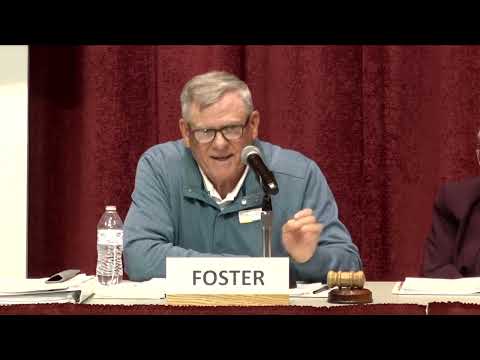
Tom Foster, president of the Recreation Centers of Sun City, Incorporated (RCSC), told about 1,785 members that legal advice led the board to decline taking membership votes on motions proposed for the annual meeting and instead refer those proposals to the board for study. “Legal counsel recommended that all proposed motions be referred to the Board for study, be considered only as recommendations to the Board, and that no membership votes be taken at this time,” Foster said.

Why it matters: The board’s decision removes the immediate option for members at the meeting to adopt bylaw changes or other motions and concentrates next steps inside a board-directed review process. Foster said the board’s reliance on counsel is part of its fiduciary duty to the corporation and its membership.

Foster told the membership that legal counsel flagged multiple concerns with the submitted motions, including conflicts among proposals, suggested changes to board policies (which the board treats as outside the annual membership meeting’s amendment authority), and motions framed as recommendations rather than proper motions. He read portions of the corporation’s governing documents, telling members that the articles of incorporation and RCSC bylaws grant the board authority over the corporation’s business affairs: “The affairs of the corporation shall be conducted by the Board of Directors and such officers as the Board may elect or appoint,” and that bylaws-related matters “if brought before a membership meeting, will be referred to the board for study.”

Foster also notified members that a lawsuit had been filed challenging the board’s ability to refer the motions for study and not hold votes, and that RCSC had been advised by counsel not to discuss the litigation publicly. “By law, the board of directors has the right to rely upon its legal advice and is properly exercising its fiduciary duty by doing so,” Foster said. He added that RCSC believes its legal position will prevail in court but that the issues must be resolved in the judicial process.

The board announced an ad hoc bylaws review committee to vet the bylaws and the member-proposed motions. Foster said the committee will include board members and volunteer RCSC members, will review the pros and cons of all proposed motions and portions of the bylaws that members or the board identify for revision, and should recommend language consistent with applicable Arizona statutes. He named Directors Preston Kais and Rick Gray as overall chair and co-chair of the committee and asked interested members to volunteer by March 18. “My charge to those serving on this committee is that they reach recommendations for consideration by the 2025 October board meeting,” Foster said.

What the board directed and what remains: The board’s formal direction is to refer the membership motions to the ad hoc committee and to treat members’ proposals as recommendations. No vote on the member-proposed motions took place at the meeting. Foster and Director Collins repeated that the board was acting on counsel’s advice and that further public discussion of the litigation would be handled in court.

Members reacted strongly in the public comment period that followed, pressing for votes and transparency; some speakers said they would pursue legal remedies. The board repeatedly emphasized the distinction between membership recommendations and board-controlled business affairs as set out in its governing documents.

Ending: The board closed the formal business portion of the annual meeting and opened the member comment period. The ad hoc bylaws committee is intended to be the forum where the motions and bylaw questions are fully vetted before the board takes any formal action.