Get Full Government Meeting Transcripts, Videos, & Alerts Forever!
Get email alerts on the Finance Energy Efficiency Cpace topic
No spam. Unsubscribe anytime.
Commissioners hear CPACE briefing as regional directors seek county adoption
Summary
Columbia Pacific Economic Development District staff briefed the Columbia County Board of Commissioners on the Commercial Property Assessed Clean Energy (CPACE) program and asked the county to consider adopting model ordinance language so private investors can finance energy efficiency and seismic upgrades tied to property.
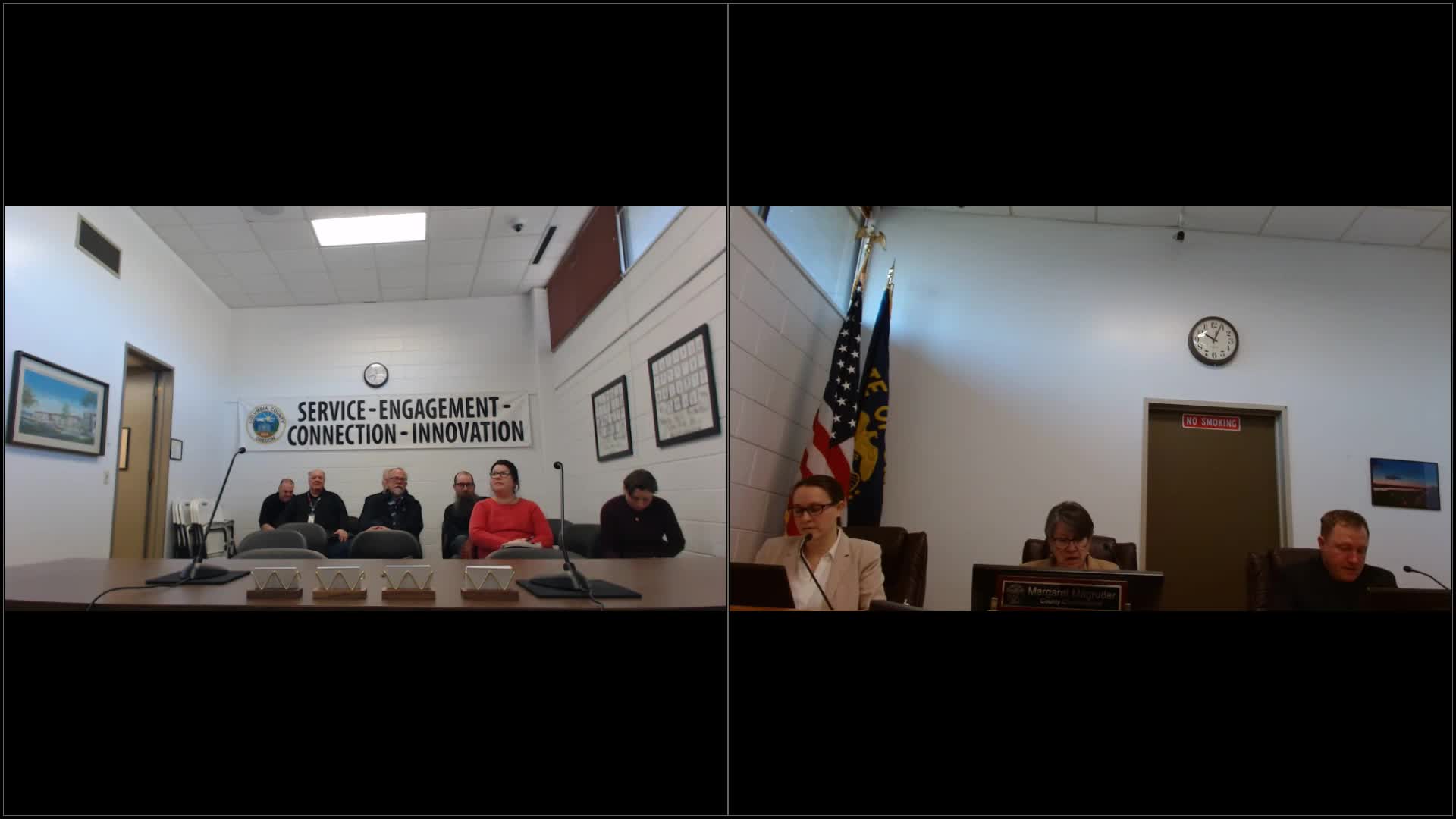
Columbia County commissioners heard a presentation on Jan. 29, 2025, on the Oregon CPACE program and were asked to consider adopting model ordinance language so private lenders can place benefit-assessment liens tied to energy-efficiency and seismic improvements.
The briefing was given by the interim director of the Columbia Pacific Economic Development District and Lydia Ivanovich, programs manager at Colpac (Columbia Pacific Economic Development District). The presenters told the board CPACE is established at the state level and implemented locally by adopting county ordinance language; private lenders provide capital and the financing is structured as a benefit assessment attached to the property, not to county revenue. "Following the adoption, the county can completely divest itself from any type of administrative or legal and financial responsibilities in the operation of the program," a Colpac presenter said during the meeting.
Colpac representatives said CPACE funds are last-in financing for eligible energy-efficiency, resilience and seismic upgrades and are intended to be secured by a lien that transfers to the private investor. The presenters described a model where Colpac administers application review, due diligence and benchmarking, while the county’s role is limited to adopting the ordinance and executing a required benefit-assessment agreement. Colpac said project plans must be approved by a licensed architect or engineer at application so lenders can validate projected energy savings and cost-recovery.
Commissioners asked several practical questions about precedent and demand. Colpac told the board that some Oregon counties are piloting CPACE and that Washington County approved a short pilot (the presentation said Washington County’s pilot is sunsetting). Colpac also said it had learned of one hotel investment in Scappoose with investors reportedly prepared to commit about $7,000,000 should CPACE be available, though other local interest has not been documented in county records presented at the meeting.
Commissioners and county staff raised jurisdictional and operational issues: county ordinances would apply only to unincorporated areas unless cities agree to participate; the county treasurer and county counsel would need to be engaged to agree on how any assessment or billing would be administered; and staff time would be required to review and adapt the model documents. One commissioner asked whether the assessment payments would appear on annual property tax statements; Colpac representatives replied the executed benefit-assessment agreement is written to route payments to the investor and to avoid county budgetary exposure, but they recommended the county confirm the billing mechanics with counsel and the treasurer.
After discussion commissioners did not adopt any ordinance on Jan. 29. The board asked staff to meet with Colpac and county counsel, and several commissioners supported a regional approach: Colpac proposed coordinating simultaneous discussions with Clatsop and Tillamook counties so county counsel offices could consider shared risks and mitigation strategies.
Why it matters: CPACE can provide long-term, low-rate financing tied to energy or seismic upgrades that move beyond conventional bank loans, potentially attracting outside capital to projects that otherwise would not include resilience improvements. The county must weigh administrative, legal and intergovernmental implications before adopting model ordinance language.
Next steps: Colpac will meet with county staff and counsel; commissioners asked staff to return with recommendations after follow-up meetings with Colpac and regional counties.