Get Full Government Meeting Transcripts, Videos, & Alerts Forever!
Get email alerts on the Student Engagement topic
No spam. Unsubscribe anytime.
ROCORI FFA students demonstrate parliamentary procedure; board expands student-representative eligibility
Summary
Members of the ROCORI FFA demonstrated parliamentary procedure for the school board and asked for student engagement. The board said it will open its student-representative policy to a broader pool of students and will consider a rotating, nonvoting student representative.
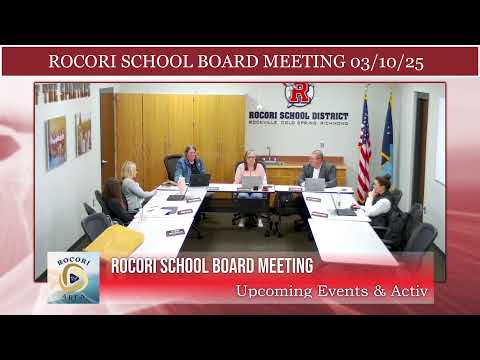
ROCORI PUBLIC SCHOOL DISTRICT trustees heard a parliamentary procedure demonstration from members of the ROCORI FFA and discussed expanding the district’s student-representative policy to allow students beyond student senate to serve in a nonvoting, rotating role.
The demonstration showcased how motions, seconds, amendments and votes are handled under Robert’s Rules-style parliamentary procedure and included student examples of making and debating motions. Bridal Sabo, who identified herself as a community advisor to the FFA, introduced the students and explained the exercise: “For those of you who don't know me, I'm Bridal Sabo. Tamara Berger is the agriculture instructor here at Recori and the FFA advisor. I'm their community advisor, so I help out on her behalf with a lot of the leadership development events that we do in the FFA organization.”
The demonstration featured students making a mock motion and amendment, debating, calling the question and voting. One student proposed a motion in the mock exercise: “I move that our chapter partner with students from the high school to help with our service project on April 8,” and the group work proceeded through seconding, debate and a vote. The students also explained common secondary motions (amend, refer to committee) and the role of the chair in maintaining order.
Why it matters: the board is considering a policy change to broaden who is eligible to serve as a student representative, a seat historically offered to student senate. Board members said expanding eligibility could increase participation and reduce scheduling conflicts for student leaders who have extracurricular commitments.
Board members and administrators discussed practical approaches if the policy is changed. One board member suggested a rotating approach so students engaged in seasonal activities (for example, musical rehearsals or athletics) would still have the opportunity to participate on a staggered basis. The board said any formal policy change will return to the consent agenda after the policy committee finalizes language.
Board members noted the benefit of hearing student perspectives on issues that affect students’ daily experience. Bridal Sabo and advisors encouraged interested students to contact the superintendent’s office or FFA advisors for more information.
The board did not take a formal vote on policy language during this meeting; the draft revision to allow any interested student to serve was listed for future approval. The administration said policy committee review and final edits will precede formal adoption.
The board’s discussion also included a short explanation of Robert’s Rules conventions from student presenters, intended to help trustees and community members understand formal meeting procedure and how motions, amendments and calls for the question function in deliberative bodies.
Ending: The demonstration and policy discussion concluded with board members indicating support for broadening student representation; the revised policy will return to the board for formal action after review by the policy committee.