Get Full Government Meeting Transcripts, Videos, & Alerts Forever!
Get email alerts on the Wildfire Timber Salvage topic
No spam. Unsubscribe anytime.
Idaho loggers, county commissioner urge faster timber salvage after large wildfires
Summary
Presenters at the Senate Agricultural Affairs Committee hearing called for expedited salvage logging and cross‑boundary rehabilitation to recover merchantable timber, reduce erosion risks and speed forest recovery after recent fires in Western Idaho.
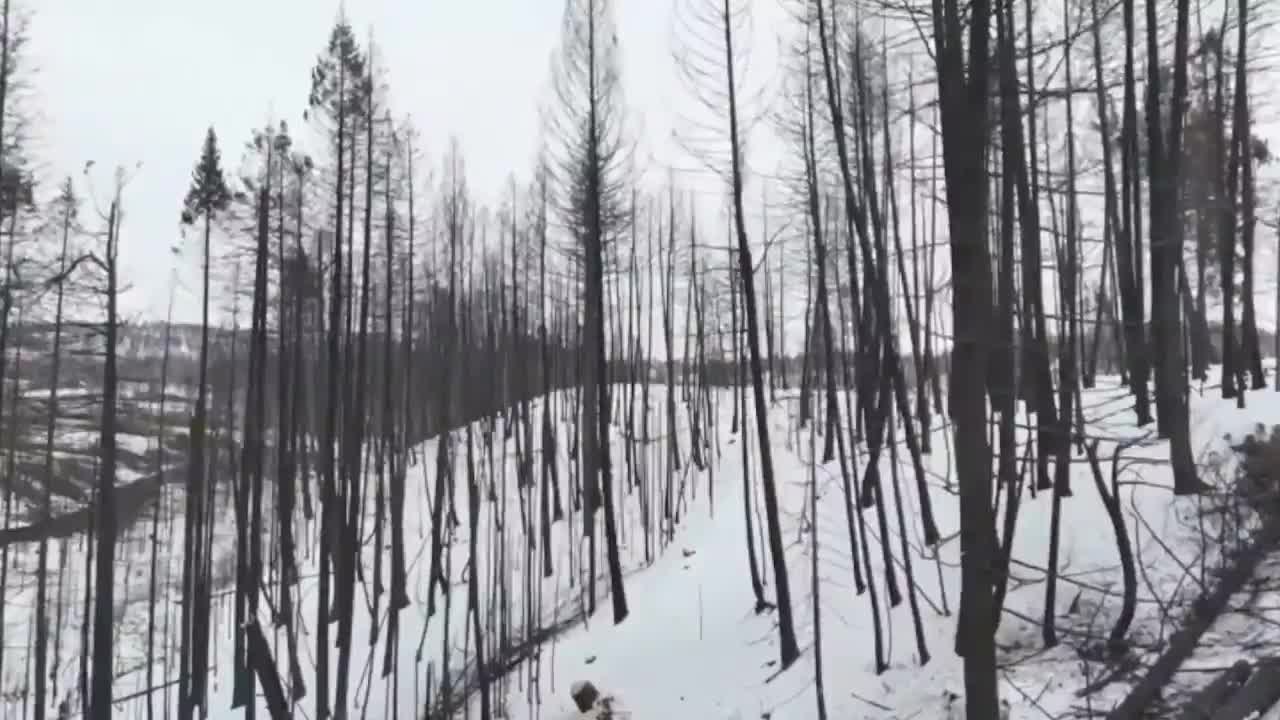
Vicki Purdy, Adams County commissioner, and Mark Mahon, co‑owner of Mahon Logging, told the Senate Agricultural Affairs Committee that timber affected by recent wildfires must be removed quickly to preserve market value and reduce downstream hazards.
Purdy said salvage and active management are needed to protect rural communities and local economies. "We need to be able to use our natural resources in order to make a living or our rural communities will continue to die," she said. Mahon described burned timber on the Payette National Forest and argued salvage should focus on roadside corridors while the wood remains merchantable: "We need to be salvaging this timber," he said.
The presenters said slow federal processing and restrictive salvage boundaries limit recoveries. Mahon said optimistic timelines take "6 months just to process the paperwork to salvage federal timber," and that realistic timelines are much longer. He and others warned that delays let blue stain and insects reduce log value; one mill representative (mentioned in the video) was identified as attempting to process burned timber in Clarkston, Washington.
Committee members and witnesses described potential local benefits from timely salvage: revenue to help rebuild infrastructure (including a fire‑destroyed bridge leading to Ola, Emmett and Horseshoe Bend), work for local sawmills and loggers, and reduced fuel for future fires. Mahon said many burned Douglas fir trees were more than a century old and could still be sawn into framing lumber if removed promptly.
Speakers also noted limits to what can be salvaged under current federal sale boundaries and expressed frustration that forest roads have been closed in some areas, preventing timely access. Purdy said the Payette National Forest had closed roughly 43% of roads since 1978 in one count she cited, and that closures hinder cattle movement and salvage work.
Committee members asked whether replanting and other rehabilitation steps accompany salvage. Purdy and witnesses said salvage should be paired with replanting and other treatments; Purdy said counties could perform additional cleanup and replanting work if authorities and funding allow.
The hearing did not record a formal committee action on salvage policy. Witnesses urged the Legislature and state agencies to press federal partners for faster permitting, to expand county or state roles where possible, and to support mills and loggers during the salvage window.
The committee heard additional, detailed accounts from ranchers and local officials about livestock losses, road closures and community impacts that underscore the economic urgency the witnesses emphasized.