Get Full Government Meeting Transcripts, Videos, & Alerts Forever!
Get email alerts on the Mental Wellness Act topic
No spam. Unsubscribe anytime.
Bill to fund peer engagement, Eastern Oregon pilot for early psychosis gets hearing
Summary
Senate Bill 62 would create a consumer-run state organization and fund pilots, including an Eastern Oregon residential pilot for young adults with early psychosis and substance use disorder; the bill contemplates a $1 per-member-per-month CCO contribution and general fund appropriations for 2025–27.
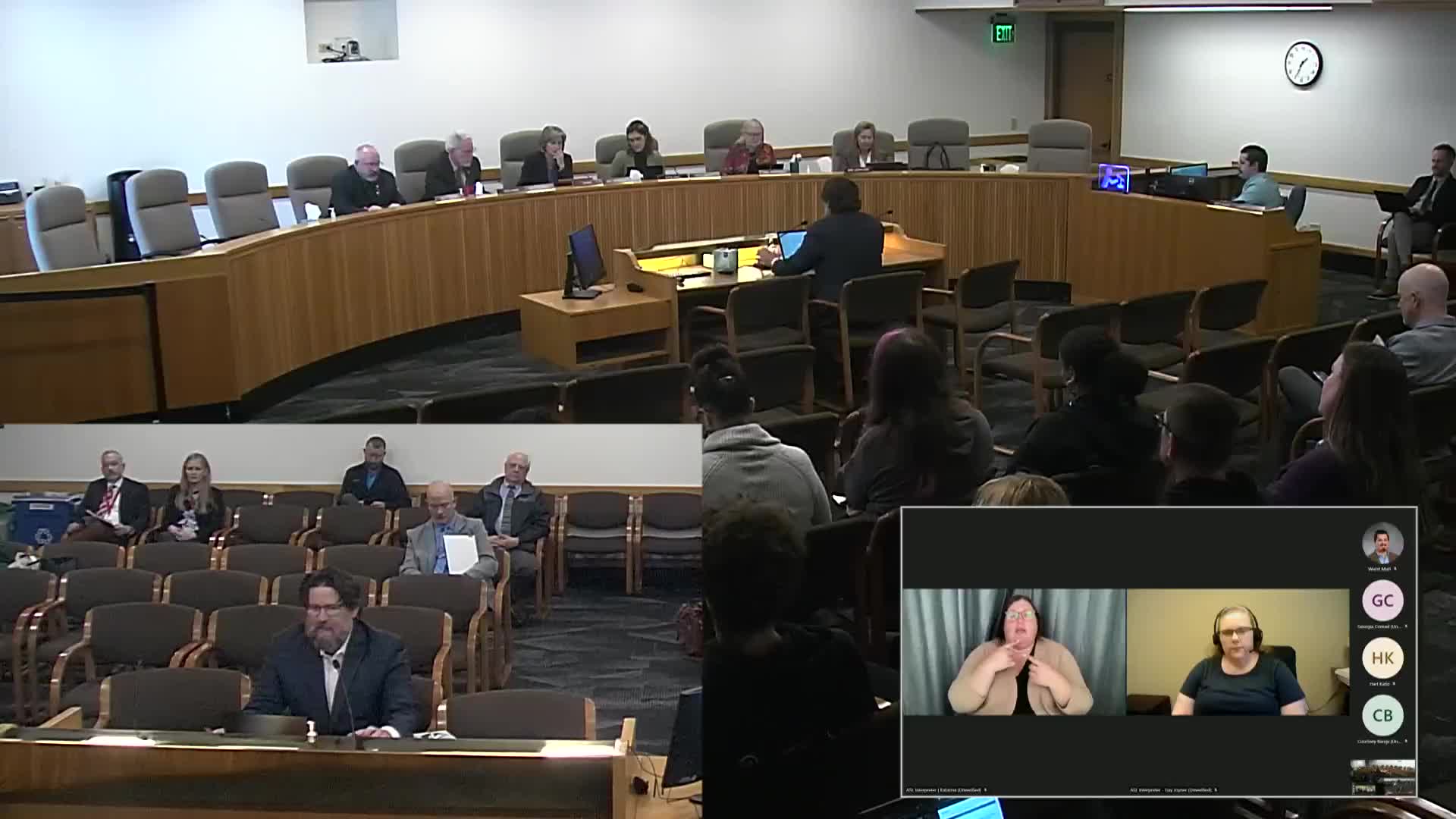
Senate Bill 62, titled in committee as the Oregon Mental Wellness and Community Stability Act of 2025, received public testimony March 13 on measures to expand peer engagement and create pilots for young adults experiencing early psychosis and substance use disorder.
Committee staff summarized the bill as directing the Oregon Health Authority to implement programs supporting community consumer engagement and a pilot in Eastern Oregon for young adults with early psychosis and substance use disorder. The summary noted possible funding mechanisms including a $1 per-member-per-month contribution from coordinated care organizations and general fund appropriations for the 2025–27 biennium.
Senator Caden framed the bill as aimed at embedding people with lived experience into behavioral-health system design and operations and said the bill would coordinate CCOs, OHA and peer-support networks. "This particular bill has to do with substance use disorder and behavioral health issues, and so it's a pilot program that we're wanting to continue," Caden said, emphasizing rural access concerns and telehealth limitations in remote areas.
Testimony in support included Dr. Jack Hoch, a psychologist and person with lived experience, who said a consumer-run, independent state organization could move systems from token advisory roles to meaningful decision-making. "The development of an independent consumer run organization, as laid out in Senate Bill 62, would follow developing evidence about how direct consumer involvement helps human service systems become more effective," Hoch said.
A student witness urged expansion beyond Eastern Oregon to ensure other rural regions could opt in. The committee closed the public hearing on SB 62 after testimony was completed.
Next steps: the bill will proceed in the legislative process; funding and CCO contribution mechanisms were described in summary but would require statutory and budget decisions in subsequent committee work.