Get Full Government Meeting Transcripts, Videos, & Alerts Forever!
Get email alerts on the Gun Trafficking Dealer Oversight topic
No spam. Unsubscribe anytime.
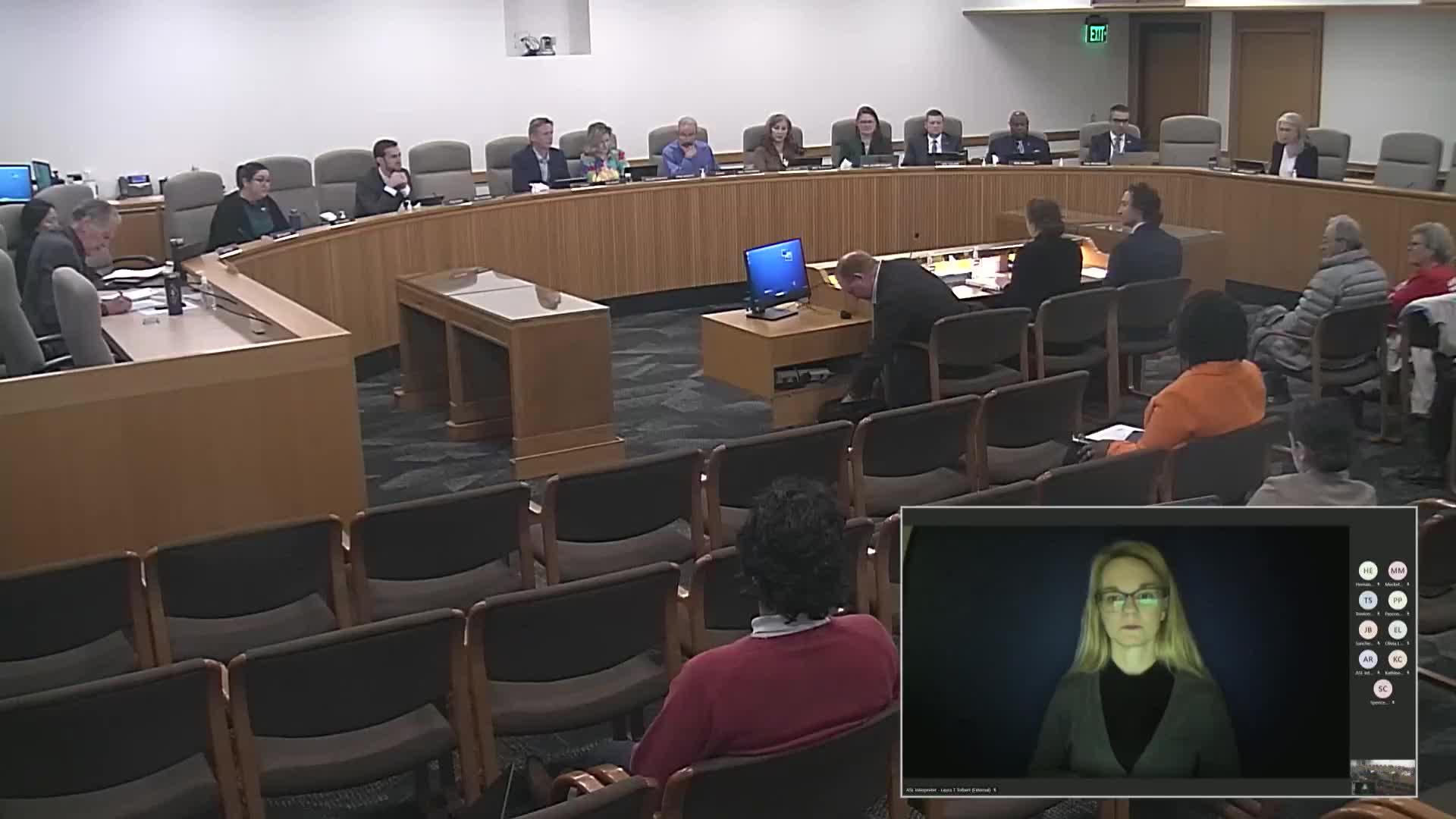
Portland police, advocates urge dealer oversight, community intervention to curb illegal guns
Summary
Portland’s police chief and public‑safety and advocacy witnesses told the joint Judiciary committees that illegal and trafficked guns fuel much of the state’s gun crime; they urged stronger dealer licensing and oversight, better ATF resourcing, and investments in community violence intervention programs.
Robert Day, chief of the Portland Police Bureau, and multiple public‑safety and research witnesses described a multifaceted approach to reducing shootings and homicide: community violence intervention (CVI), targeted enforcement, and stronger dealer oversight to reduce the flow of illegal guns.
Chief Day said the number of firearms seized by Portland police rose about 86% between 2014 and 2024 and that while shootings have recently declined from pandemic peaks they remain above pre‑pandemic levels. He described the city’s approach as a mix of outreach, Ceasefire‑style intervention, and enforcement teams focused on nonfatal shootings, high‑risk individuals and crisis response. “Portland is just a wash in guns in the hands of the wrong people,” Day said, summarizing what he described as a steady stream of crime guns entering the city.
Spencer Cantrell of the Johns Hopkins Center for Gun Violence Solutions described five evidence‑based areas: community violence intervention programs, firearm removal laws, purchaser licensing, controls on public carry, and safe storage. Cantrell said properly funded CVI and hospital‑based programs can reduce violent reinjury and shootings when implemented with technical support and evaluation.
Tanya Schart, senior counsel and director of state and federal policy at Brady, focused on the gun‑dealer role in diverting firearms to the illegal market. She told committees that ATF inspections are limited by staffing and that federal oversight is insufficient: “In 2022 and 2023, less than 2% of Oregon gun dealers were inspected by ATF,” she said, and noted ATF currently averages roughly one inspector per 342 dealers in Oregon. Schart pointed to research showing states with dealer licensing and stronger oversight have substantially less intrastate trafficking.
Witnesses and the police chief recommended a mix of policy approaches: state licensing and regular inspection authority for dealers, increased funding and staffing for enforcement, disclosure or public‑records protections for violence‑prevention program participants, and sustained support for outreach and Ceasefire‑style interventions. Several presenters emphasized that dealer regulation is complementary to community‑based prevention, not a substitute.
No formal action was taken at the informational hearing; presenters offered to provide follow‑up documentation and examples to the committees.