Get Full Government Meeting Transcripts, Videos, & Alerts Forever!
Get email alerts on the Sustainable Investing Pensions topic
No spam. Unsubscribe anytime.
Treasurer, unions and business groups spar over HB 2200 dash 1 on climate risk and PERS investing
Summary
A lengthy public hearing on House Bill 2,200 (dash 1 amendment) drew sharply divided testimony about whether the state treasury should prioritize climate-related risk analysis and emissions reduction goals for the Oregon Public Employee Retirement Fund.
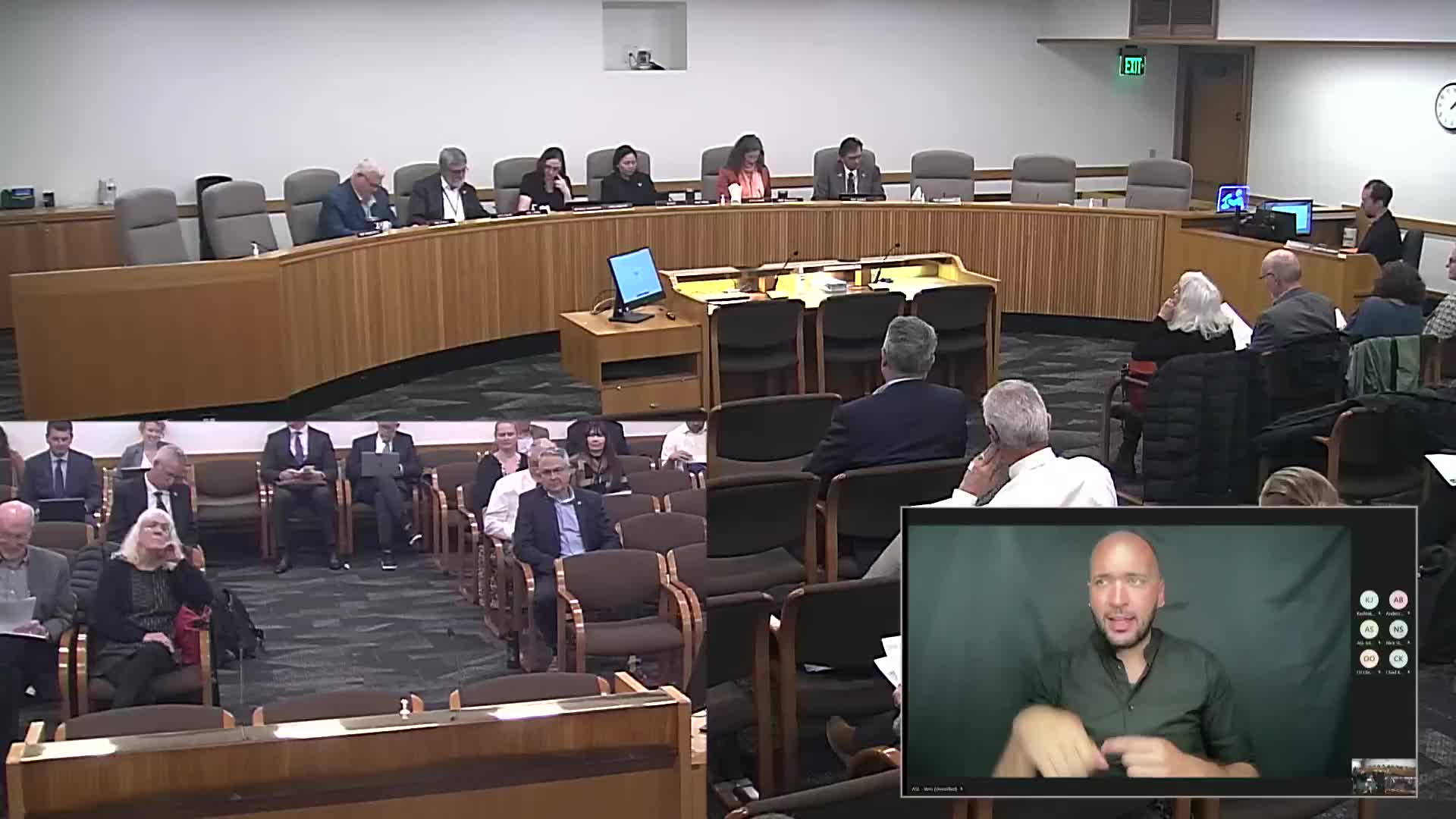
Chair Tran opened public testimony on House Bill 2,200, a bill that would require the state treasurer and the Oregon Investment Council to analyze and manage climate-related risk in the Oregon Public Employee Retirement Fund (OPRF) and pursue reductions in the fund’s carbon intensity through an investment preference. Elizabeth Steiner, Oregon state treasurer, and more than a dozen witnesses provided pro and con testimony during the committee’s March 13 hearing.
The dash 1 amendment, as Treasurer Elizabeth Steiner described it, “requires biannual reports from Treasury to the legislature, reaffirms our fiduciary commitment to beneficiaries and OPRF, and asks us to actively manage, analyze, and manage the risks of climate change to the public employee retirement fund.” She said the bill is intended to protect beneficiaries and public agencies by “buffer[ing] us against the extremes at either end of the political spectrum.”
Supporters including labor unions, Divest Oregon, and national and state retiree groups told the committee that climate risk is a material long-term financial risk and that the amendment strikes a balanced approach by preserving fiduciary language while adding transparency and reporting. Susan Allen, representing Oregon AFSCME, said the amendment’s language that “nothing in this section requires the Oregon Investment Council or the state treasurer to take any action … unless the council or state treasurer determines in good faith that the action is consistent with fiduciary responsibilities as described in ORS 238.66,” gave her members confidence the bill respects fiduciary duty.
Dissenting witnesses, including Rep. Ed Deal (testifying as an individual) and witnesses from Oregon Business and Industry and the State Financial Officers Foundation, warned the committee that the amendment could politicize investment decisions, prioritize one category of risk over others, or create legal exposure. Rep. Deal argued the dash 1 “creates a priority conflict” and urged a no vote. Dr. Oje Olaika, representing a coalition of state financial officers, said focusing on ESG-style goals could be “devastating” for public funds if those goals supersede a sole focus on financial returns.
Other detailed points raised in testimony included: (1) the amendment’s indemnity language that would hold the OIC and the treasurer harmless for investment decisions; (2) requests from several witnesses to include Scope 3 emissions reporting when disclosure allows; (3) the treasurer’s pledge of biennial reporting and legislative transparency; and (4) differing interpretations of the term “just transition” and whether the amendment creates an actionable investment preference or only a planning and reporting framework.
No committee vote on HB 2200 occurred at this hearing; the committee closed the public hearing after taking testimony from both supporters and opponents. The bill record shows broad stakeholder engagement, including unions, retiree groups, business interests, advocacy organizations, and the state treasurer’s office.