Get Full Government Meeting Transcripts, Videos, & Alerts Forever!
Get email alerts on the Licensing topic
No spam. Unsubscribe anytime.
Senate Bill 950 would restructure sign-language interpreter licensing; advocates seek technical fixes
Summary
Senate Bill 9 50 would revise state licensure for sign-language interpreters by adding training and supervisory categories, simplifying specialty licenses and creating an endorsement pathway for out-of-state interpreters.
Senate Bill 9 50 would revise the licensing framework for sign-language interpreters in Oregon, introducing a supervisory license, a license-by-endorsement for out-of-state interpreters, and an interpreter-in-training category, committee staff said on March 13.
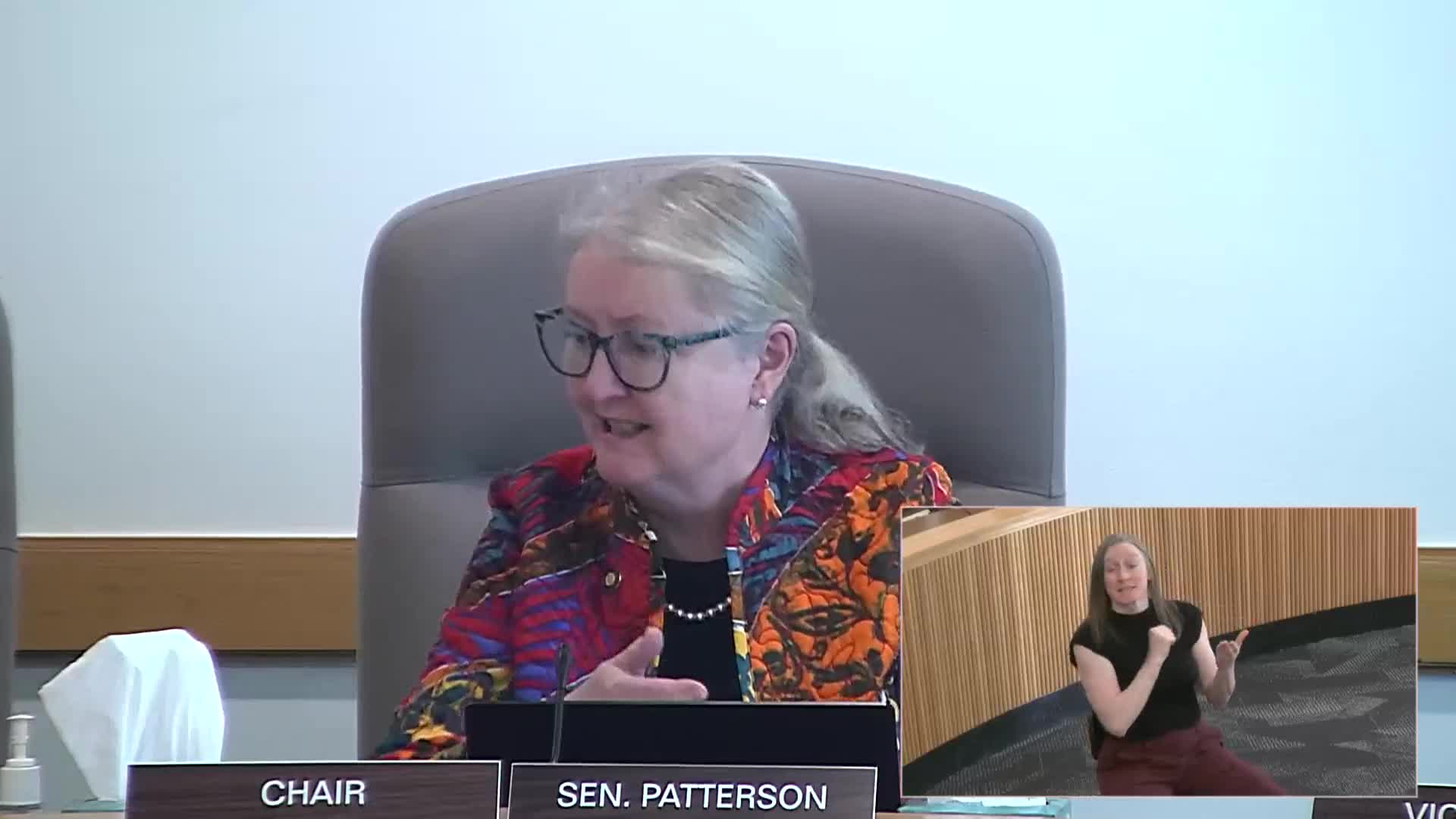
Janine Soloman, the bill sponsor, told the Senate Health Care Committee the measure would correct access and licensure barriers created after the licensing framework established in 2023. "Advocates in the sign language interpreter community feel that technical changes will greatly improve the process and allow for more people to obtain their license," Senator Janine Soloman said.
Why it matters: Testimony from interpreters and Deaf community leaders emphasized that interpreters are essential for access to information and services, and that clearer licensing pathways could increase the workforce.
What advocates asked for
- Christina Healy Callister, a sign-language interpreter and chair of the state professional organization’s legislative committee, supported eliminating specialty-setting licenses, saying it reduces duplication and confusion. She also described two technical clarifications being pursued in a dash-1 amendment: (1) clarify the mechanism for recognizing out-of-state licensees (endorsement versus true reciprocity) and (2) grandfather currently licensed practitioners for three years following passage of SB 9 50.
- Gerald Fleming Jr., a leader with Deaf Plus Oregon, said the bill would support full access for Deaf community members and called for legislative action to expand interpreter availability.
Numbers and scope
Committee staff said there are roughly 300 interpreters working in Oregon, with 133 interpreters holding an in-state license and 243 out-of-state interpreter licenses listed in the state system. Advocates said the changes would reduce administrative hurdles and allow more interpreters to work in Oregon settings.
Committee process
Witnesses indicated work is ongoing on a dash-1 amendment to address the endorsement/reciprocity language and to provide temporary grandfathering for current licensees. The committee closed the public hearing on SB 9 50 for the day and will accept written testimony to the posted record.
Ending: Supporters characterized SB 9 50 as a technical, pro-access update to interpreter licensure that would reduce duplication and better align Oregon’s licensing rules with workforce realities.