Public testimony split as committee hears bill to restrict hospital 'facility fees' and require transparency
Loading...
Summary
Senate Bill 539 would restrict facility fees for off‑campus hospital-owned clinics in Oregon and require patient notice and reporting. Supporters — patient advocates, insurers and some clinicians — said the measure reduces surprise costs. Hospitals warned it would threaten financial stability and access to services.
Senate Bill 5 39 would restrict hospitals and health systems from applying so-called ‘‘facility fees’’ to services provided off the hospital campus unless specific notice is given, supporters and opponents told the Senate Health Care Committee on March 13.
Representative Diego Sosa and committee staff described the measure’s three core elements: prohibit facility fees for off-campus hospital-owned sites (with exemptions for existing insurer arrangements), require notice to patients when facility fees are charged, and require annual reporting to the Oregon Health Authority of facility fees collected, including a breakdown of the highest-fee services.
Why it matters: Witnesses described surprise out-of-pocket charges that add to families’ medical debt and can deter care. Hospitals and health systems argued that facility fees fund facility overhead and regulatory obligations and that sudden limits could destabilize already financially stressed hospitals.
Supporters’ arguments
- Kari Green, a private citizen, described surprise facility charges she received for routine rheumatology visits at a hospital-owned outpatient clinic and said the fees can be significant and unexpected.
- Consumer and public-interest groups and national health nonprofits — including testimony from United States of Care, America's Health Insurance Plans (AHIP), OSPRG and patient organizations — urged passage. Kelsey Wolfkuhl (United States of Care) and Alyce Brown (AHIP) said site-neutral rules and advance notice would curb surprise charges and reduce costs borne by patients and employers.
- Medical providers and patient advocates, including emergency medicine clinicians and cancer-patient groups, described cases where facility fees increased patients’ financial burden and interfered with treatment access. Dr. Christine Bugas, an emergency physician, said facility fees have "skyrocketed" and can cause patients to skip necessary care.
Opponents’ arguments
- Becky Holtberg, president and CEO of the Hospital Association of Oregon, and Melissa Daum, CFO for a large health system, testified in strong opposition. Holtberg said more than half of Oregon hospitals are operating at an operational loss, and that facility fees support 24/7 services and required regulatory standards. "This bill is not about lowering health care costs for patients; it's about increasing the profits of certain health insurers at the expense of hospitals and patients," she said.
- Providence’s CFO said restricting facility fees could force some services back onto central hospital campuses, reducing convenient local access for patients and potentially curtailing services that require hospital infrastructure.
Transparency and data
Supporters pressed for the bill’s reporting requirement to build the state’s evidence base. The bill would require hospitals and health systems to report facility-fee collections to the Oregon Health Authority by payer and identify services that generate the most facility-fee revenue. Several witnesses urged the committee to use Oregon data to guide future policy.
Committee process and next steps
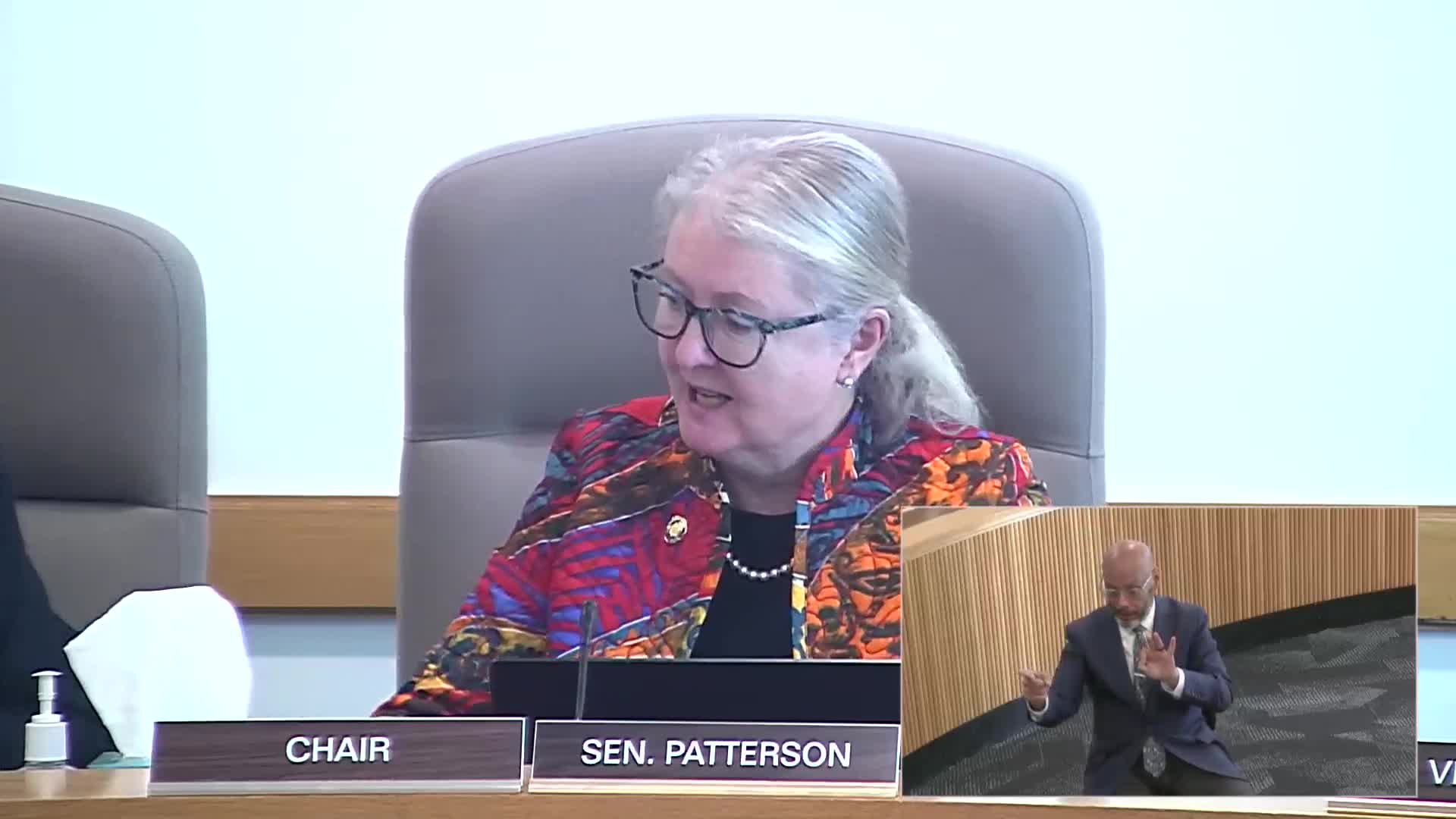
The committee heard panels from patients, advocates, insurers, clinicians and hospital leaders. Committee members asked for more Oregon-specific data and flagged fiscal impacts as a concern; written testimony remains part of the posted record.
Ending: Testimony was sharply divided. Supporters said the bill reduces surprise charges and improves price transparency; hospitals warned of possible service reductions and financial instability. The committee closed the hearing portion of the record for SB 5 39 and left the measure for further consideration.