Get Full Government Meeting Transcripts, Videos, & Alerts Forever!
Get email alerts on the Addiction Medicine Reimbursement topic
No spam. Unsubscribe anytime.
Bill would raise pay for addiction medicine physicians, create task force to review rates
Summary
Sponsors told the committee that addiction‑medicine specialists were omitted from a 2022 behavioral‑health rate increase and that higher rates and a task force could expand access to addiction care and allow hiring of interdisciplinary teams.
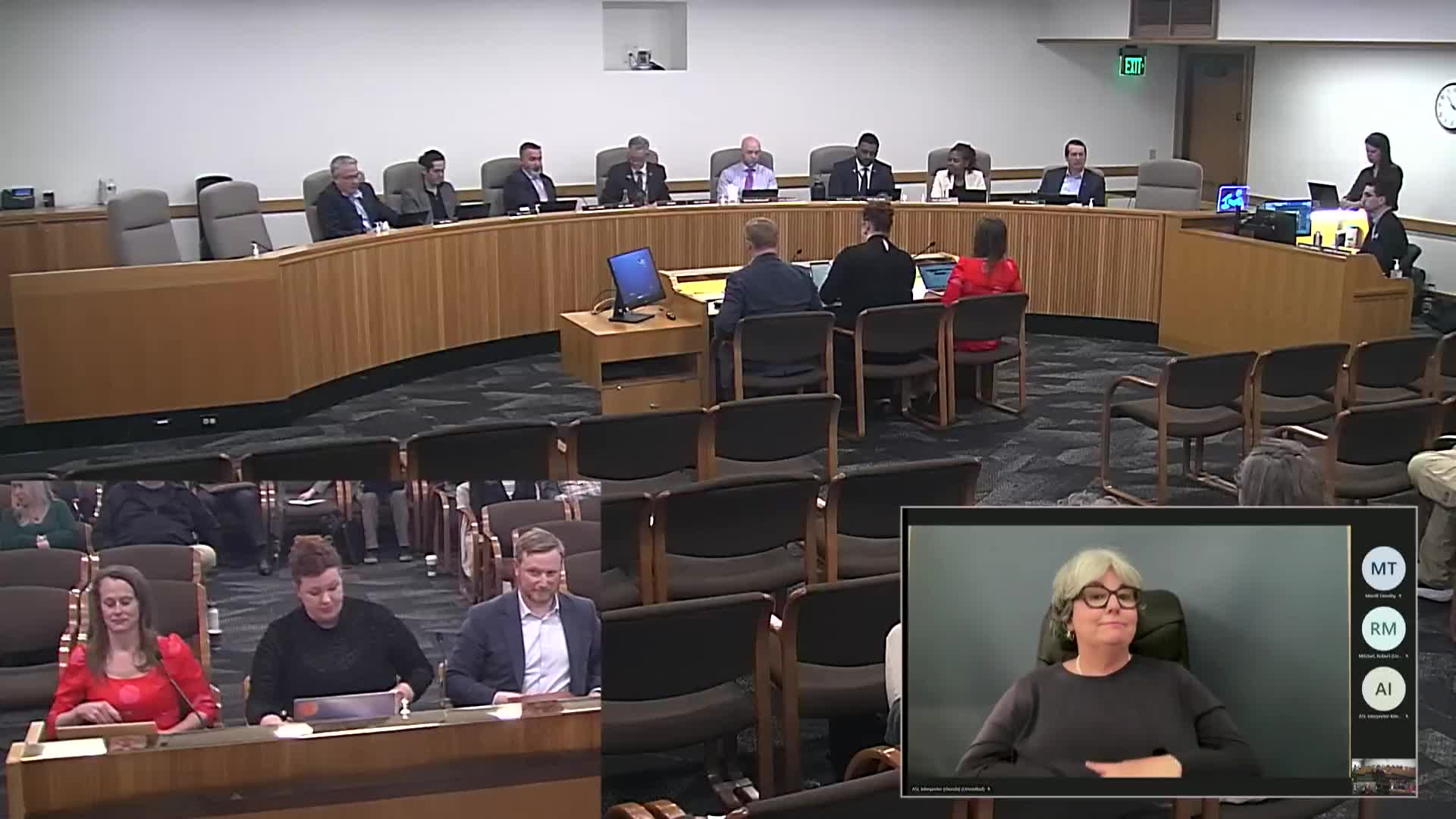
Rep. Rob Noss on March 13 introduced House Bill 2270, a proposal to increase reimbursement rates for board‑certified addiction medicine physicians and to create a task force to review addiction‑medicine billing codes and recommend rate changes.
"This bill would increase the reimbursement rate by 30 percent for addiction medicine when those codes are billed by physicians who practice addiction medicine," Noss said, adding that the change would correct an omission from the 2022 behavioral‑health reimbursement legislation that did not include addiction medicine physicians.
Dr. Moxie Loeffler, an addiction medicine and internal medicine physician and public‑policy chair of the Oregon Society of Addiction Medicine, told the committee low Medicaid rates make it difficult for organizations to hire staff needed to run comprehensive addiction programs. Loeffler said she left a Medicaid‑serving medical director post because low rates made sustaining a practice for Medicaid patients impractical. "If I were to see only privately insured patients, I could see 16 people per day. But if I saw only Medicaid patients, I would have to see 64 people per day," she said, describing why low rates discourage physician participation in Medicaid networks.
David Simmons, director of addiction medicine for Samaritan Health Systems and president of the local ASAM chapter, said addiction medicine requires extensive care coordination and that higher rates would enable hiring of counselors, peer supports and nursing staff to keep patients engaged after detox. He said disconnected detox care can increase mortality risk when patients leave treatment without follow‑up.
Representatives of some CCOs said a 30 percent increase could create budgetary pressure for organizations operating under a capped growth model. Fawn Berry of Eastern Oregon CCO said CCOs face a 3.4 percent cap on some expenditures and asked the committee to consider fiscal impacts when adding mandates.
Sponsors offered a clarified "-1" amendment to limit the increase to addiction medicine billing codes used by board‑certified addiction medicine physicians and to refine the composition of the task force. The bill also asks the Alcohol and Drug Policy Commission to review whether current rates are sufficient.
No formal vote was recorded in the hearing; sponsors said the proposal would go to Ways and Means for fiscal review if the committee advances the bill.