Get Full Government Meeting Transcripts, Videos, & Alerts Forever!
Get email alerts on the Audits And Provider Protections topic
No spam. Unsubscribe anytime.
Oregon bill would limit insurers’ audits of behavioral‑health providers, shorten look‑back period
Summary
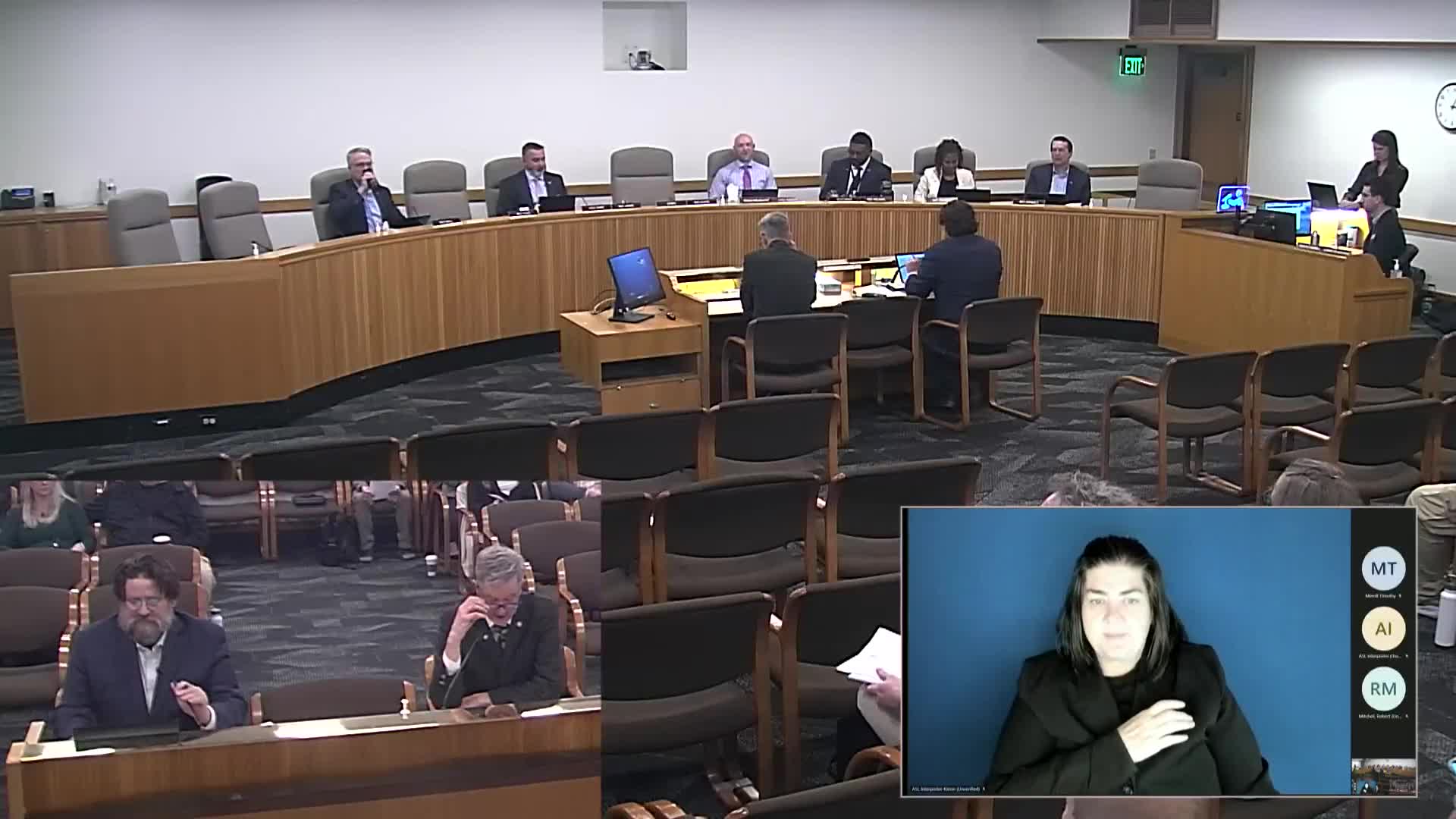
Rep. Rob Noss and a panel of behavioral‑health providers urged the House Committee on Behavioral Health and Health Care on March 13 to pass HB 2029, legislation that would shorten insurer audit look‑backs, require plain‑language claims guidance and curb extrapolated recoupments.
Rep. Rob Noss, a Portland Democrat, and a panel of mental‑health providers urged the House Committee on Behavioral Health and Health Care on March 13 to pass House Bill 2029 to curb insurer and CCO audit practices they say are injuring small behavioral‑health practices and reducing access to care.
"This bill is about audits," Rep. Rob Noss said. He described audits as "part of doing business for providers" but said current practices can be "far reaching, cumbersome, and ... surprising." The bill would require insurers and CCOs to provide plain‑language instructions on how to file claims and explain which documentation problems could lead to recoupment, shorten the general audit look‑back to claims submitted within 12 months and limit look‑backs to six years only in cases of suspected fraud.
The bill would also prohibit statistical extrapolation of findings without clear documentation, bar auditors being paid on a piece‑rate basis tied to recoupments, limit multiple concurrent audits of the same claims, and direct the Oregon Health Authority to develop an education curriculum for providers about Medicaid billing and audit standards.
Tiffany Ketterman, an Oregon licensed professional counselor and owner of a group practice that provides roughly 2,400 counseling sessions a month, told the committee: "Audits are an abusive game in our career field ... insurance companies hold all of the power and mental‑health providers across the state are powerless." Ketterman and other providers described months‑ or years‑long audits, repeated application of incorrect statutes in audits, and extrapolated clawbacks that could amount to tens or hundreds of thousands of dollars for the average provider or practice.
Sen. Caden Almeh said his office documented an OHA extrapolation example in which a small audit of 13 charts was projected across a larger panel and led to nearly $1 million in recoupments—an amount he said would bankrupt many providers. "There is an incentive for these financial audits that hurts our provider networks and chases providers away from providing Medicaid," Almeh said.
Representatives of insurers and CCOs told the committee they support transparent audit practices but raised legal and operational concerns. Rick Blackwell of PacificSource said federal Medicaid payment‑integrity rules require sampling and detection procedures and asked the committee to align any new standard with existing federal and state fraud, waste and abuse rules. Maryann Cooper of Regence and representatives from Moda and other carriers said commercial insurers already publish claims and audit guidance and that some provisions—such as prohibiting recoupment for clerical errors or banning multiple concurrent audits—would be difficult to operationalize without creating gaps for fraud detection.
Supporters want HB 2029 to make audits less disruptive while preserving carriers' ability to detect actual fraud. The bill would also create a technical assistance unit at OHA to develop plain‑language materials and a curriculum to help behavioral‑health providers understand billing and audit triggers.
Committee members asked for clarification on the bill's fiscal impact and its interaction with existing state insurance code and federal Medicaid rules. Rep. Noss said he expected a modest fiscal for the OHA education unit and pledged to provide detailed numbers to the committee.
If adopted, the bill would change audit timeframes for behavioral‑health claims, require specific provider guidance from payers, and create administrative and education supports at OHA aimed at reducing disputes over documentation and recoupments.