Get Full Government Meeting Transcripts, Videos, & Alerts Forever!
Get email alerts on the International Leadership topic
No spam. Unsubscribe anytime.
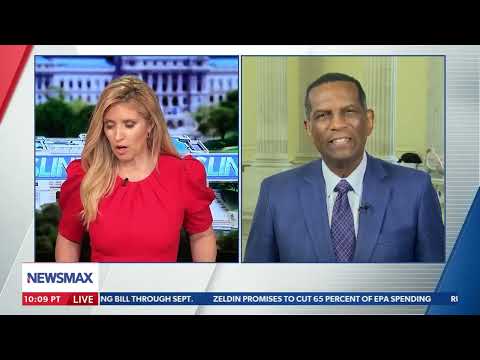
Congressman Burgess Owens praises U.S. leadership, says 'clarity, strength and leadership' needed for peace
Summary
In an interview, Congressman Burgess Owens said recent meetings between world leaders showed momentum toward peace and credited strong U.S. leadership for creating consequences that compel other nations to listen.
Congressman Burgess Owens said he welcomed signs of "forward momentum" after recent high‑level meetings and urged "clarity, strength and leadership" from the United States to press for peace.
Owens said the United States must be respected on the world stage to ensure other nations heed U.S. positions. "What we needed to see... is clarity, strength, and and leadership," he said, adding that when the country is respected "there's going to be some type of consequences, whether it be positive or negative, if we don't listen." He called that respect a prerequisite for progress toward peace.
The interviewer, Bianca, framed the question by referencing comments from U.S. and foreign leaders and recent public attention on children killed in hostilities. She asked Owens his reaction to seeing the two leaders meet and whether it signaled forward movement.
Owens said the speed of change was striking: "The fact that we're only what, 8 to 9 weeks into this shows how quickly America could take this step... once we have the right kind of people in in charge to to make sure that it's America First and, we we we expect to be, respected and listened to." He tied the potential for peace to leadership that prioritizes American interests.
The interview did not specify which leaders were present in the meeting referenced nor describe any specific diplomatic agreements or actions. Owens's comments were framed as his reaction to public developments and to the interviewer’s summary of recent remarks by other officials.
The exchange lasted several minutes and focused on leadership and U.S. posture rather than on concrete policy proposals or legislative steps. The interview moved on afterward to domestic topics, including campus protests and education policy.