Get Full Government Meeting Transcripts, Videos, & Alerts Forever!
Get email alerts on the Crisis Stabilization Units 5350 topic
No spam. Unsubscribe anytime.
Subcommittee delays vote on crisis-stabilization unit rules after debate over child admissions, rooming and 24/7 nurse requirement
Summary
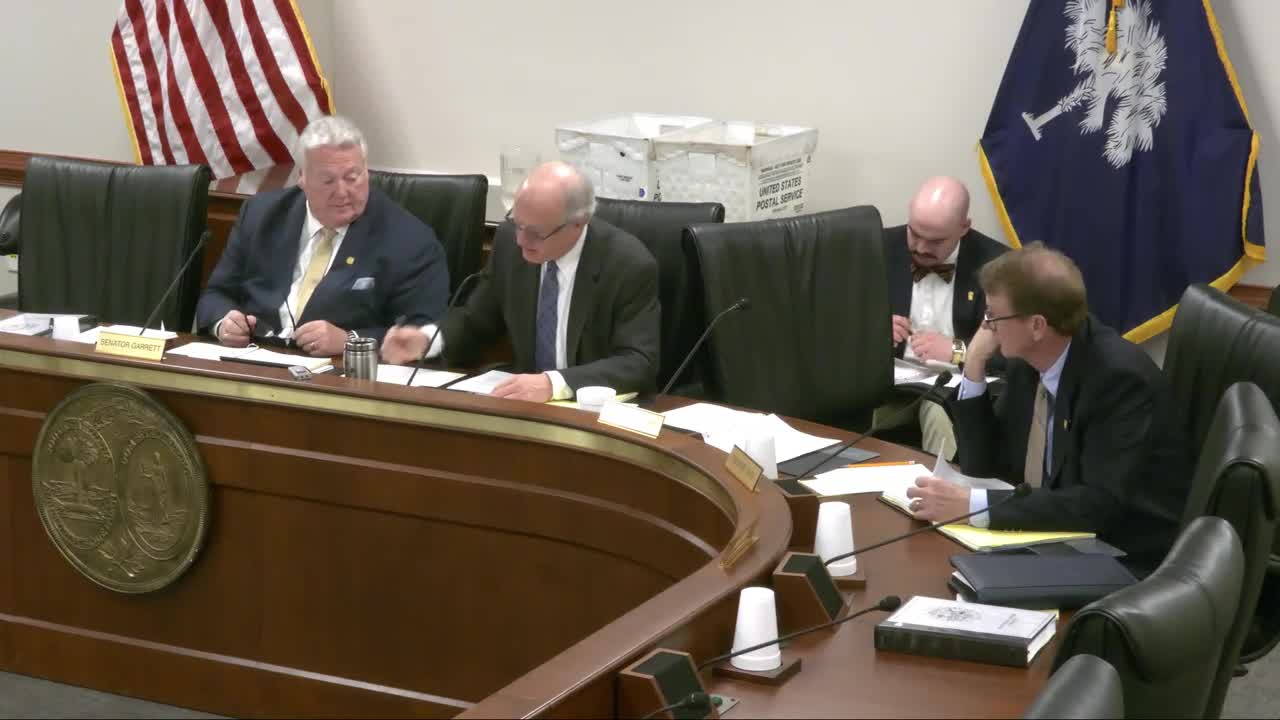
The Medical Affairs Subcommittee carried over regulation 53 50, which would allow CSUs to admit younger patients and set staffing and rooming standards, after debate over whether children and adults should share sleeping quarters and whether a registered nurse must be on-site 24/7.
The Medical Affairs Subcommittee carried over regulation 53 50, which updates licensing standards for crisis stabilization unit (CSU) facilities, after extended debate about age-based admissions, sleeping-room arrangements for children and adults, and whether a registered nurse must be present at the facility 24 hours a day.
DPH presented the proposed rule changes to allow CSUs to admit younger patients—statute had been changed to permit admissions from age 5 upward—and proposed that individuals 13 and under not be admitted to a bed in a room with an adult. The draft rule also includes a staffing requirement that at least one registered nurse be on duty at the facility at all times.
Deborah Blaylock, deputy director of the Department of Mental Health, testified that the state’s operating CSU (Charleston) has historically served adults only, that a reopening in 2017 and current operations have worked under a model where a nurse need only be able to respond within 30 minutes, and that requiring a nurse 24/7 could create unintended consequences. Blaylock said the Charleston unit has 10 beds and the Midlands facility about 9 beds; from 2017 to the present the unit sent 64 of slightly more than 1,800 patients (about 3%) to an emergency department. She said the unit has physicians on call daily and that requiring an on-site nurse at all times could force a temporary closure if a nurse were unavailable, potentially sending patients back to emergency departments.
Senators pressed whether the proposed rooming language would allow a 14- or 15-year-old to share a sleeping room with an adult; Blaylock said DMH would not place children and adults in the same unit and that DMH prefers separation, though the proposed regulation could be used by other providers. Senator Cash said he was "not comfortable" with allowing juveniles in sleeping quarters with adults and asked whether the age cutoff might be changed to 16.
Because there is disagreement between DPH and DMH over the RN staffing requirement and because senators requested more information from stakeholders, the subcommittee voted to carry the regulation over for further work; the motion passed by voice vote. The subcommittee asked DPH and DMH to attempt compromise language on the nurse-on-duty standard and to clarify rooming provisions and statutory reporting references before returning.