Get Full Government Meeting Transcripts, Videos, & Alerts Forever!
Get email alerts on the Icfiid Licensing Medication topic
No spam. Unsubscribe anytime.
Subcommittee approves licensing standards aligning medication rules with 2022 law for intermediate care facilities
Summary
Regulation 53 47, setting licensing standards for immediate care facilities for individuals with intellectual disabilities (ICFIIDs), was approved to align state rules with a 2022 statutory change that permits certain unlicensed persons to administer medications.
The Medical Affairs Subcommittee approved regulation 53 47, which updates state licensing standards for immediate care facilities for individuals with intellectual disabilities to reflect statutory changes permitting certain unlicensed persons to provide medications under supervision.
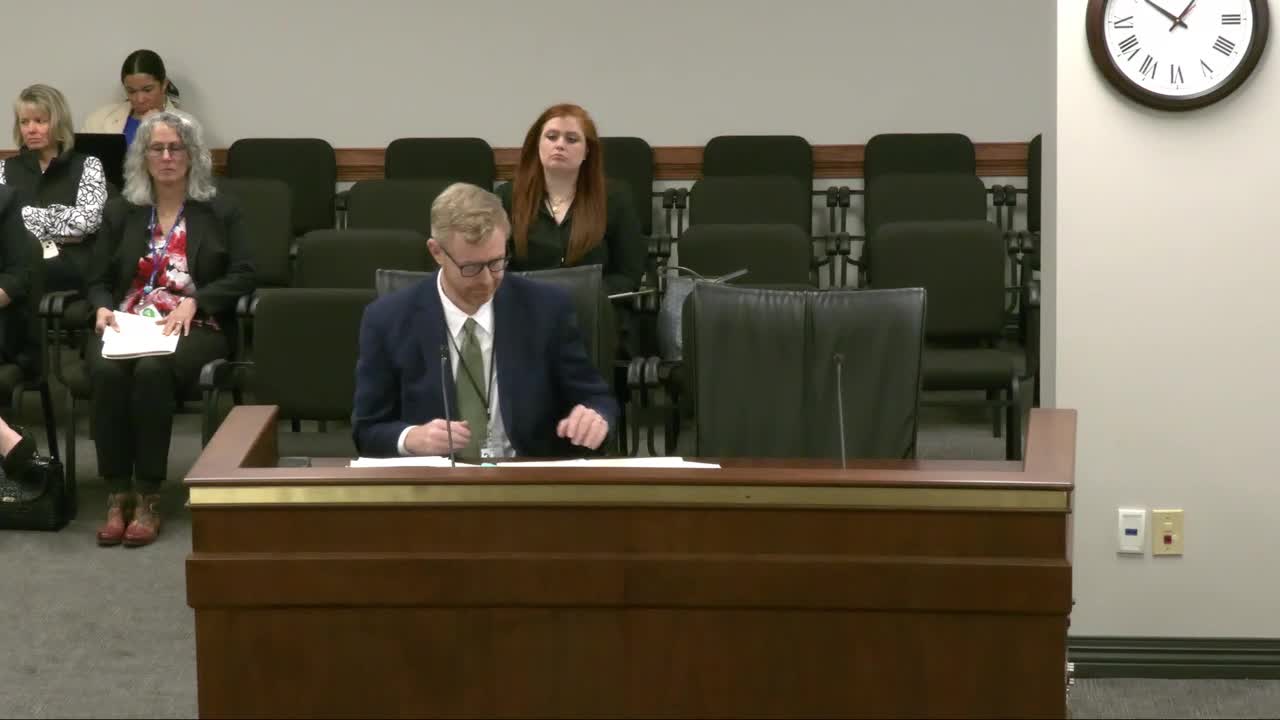
Vito, speaking for Department of Public Health staff, said the regulatory revisions implement 2022 Act 179—an amendment to the Nurse Practice Act—that allows certain unlicensed persons to administer medication in correctional and intermediate care settings when statutory conditions are met. The regulation also aligns state licensing standards with applicable federal rules (CFR) to reduce duplication and to simplify compliance for facilities that receive Medicare or other federal reimbursement.
The subcommittee discussed shifting staffing from fixed shift panels to a need-specific regimen tied to individuals’ needs. A staff member said that approach is intended to reflect patient-specific care and align with federal reimbursement standards. The committee moved the regulation and adopted it by voice vote.
Committee members asked whether the statutory change was temporary and whether unlicensed medication administration had produced safety problems; Vito said there was no known evidence of bad outcomes and that the statutory change had been used since COVID to address workforce shortages in certain settings.