Get Full Government Meeting Transcripts, Videos, & Alerts Forever!
Get email alerts on the Medicaid Reentry Waiver topic
No spam. Unsubscribe anytime.
Nebraska bill would seek 1115 waivers to expand pre-release Medicaid coverage, social supports for reentry
Summary
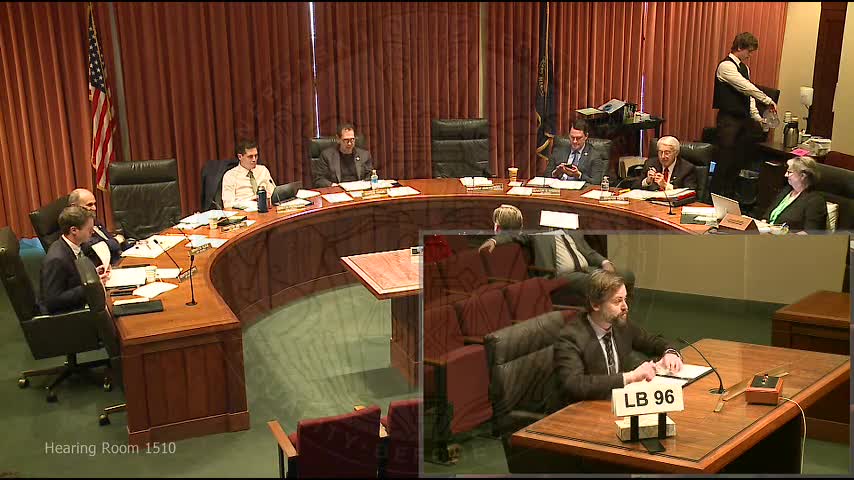
Sen. George Dungan introduced LB96, a measure directing DHHS to apply for two Medicaid section 1115 demonstrations that would allow pre-release Medicaid coverage and temporary health-related social supports for people leaving incarceration.
Senator George Dungan (District 26) told the Health and Human Services Committee that LB96 would direct the Department of Health and Human Services to apply for two Medicaid section 1115 demonstrations: a reentry demonstration enabling limited pre-release Medicaid enrollment (up to 90 days before release for those with known release dates) and a health-related social needs demonstration to cover short-term supports such as temporary rental assistance, food support, case management and modest technology subsidies.
Dungan framed the bills as tools to reduce recidivism, ease county jail burdens and draw down federal funds. "By providing case management services, medication assisted treatment, a 30 day supply of necessary medications and housing support, we can ensure that individuals are set up for success when they leave our county correctional facilities," he said.
County and nonprofit officials backed the concept. Brad Johnson, director of the Lancaster County Department of Corrections, testified the proposal would help connect people with services, expand access to medication-assisted treatment and provide 30-day supplies of prescriptions at release. RISE and other reentry service providers described frequent gaps in housing and food that they say drive recidivism. Jasmine Harris of RISE said the organization views reentry as a crisis and asked the committee to advance the bill so providers can confidently connect clients to covered, payable services.
Supporters and sponsor emphasized fiscal dynamics. Dungan challenged the fiscal-note assumptions that implementation would require large up-front system and staffing costs and that all eligible people would fully use housing subsidies or other benefits. He said many reentry services are already provided locally and would be shifted to federal reimbursement under 1115 demonstrations. Dungan and several testifiers said reductions in recidivism and in county expenditures for jail-based treatment could offset state costs.
Committee members asked about prior state steps to enroll people in Medicaid before release and how LB96 compares with earlier statutory changes. Dungan and proponents referenced existing state statute requiring DHHS to provide enrollment assistance in certain facilities (testimony cited Nebraska statute 47-706) and described LB96 as expanding pre-release coverage timing and allowable services through an 1115 demonstration.
No formal vote occurred during the hearing. Supporters noted 1115 reentry demonstrations and health-related social needs waivers have been approved in multiple states and said technical implementation details will be determined in negotiations with CMS and by DHHS.