Get Full Government Meeting Transcripts, Videos, & Alerts Forever!
Get email alerts on the Public Safety Fire topic
No spam. Unsubscribe anytime.
Grant County fire chief warns of rising wildfire risk; volunteer PERA reporting reviewed
Summary
The county fire chief told commissioners wildfire activity is increasing, noted recent multi‑agency incident command, and reviewed volunteer firefighter recruitment and PERA reporting requirements; equipment deliveries and ISO ratings were also discussed.
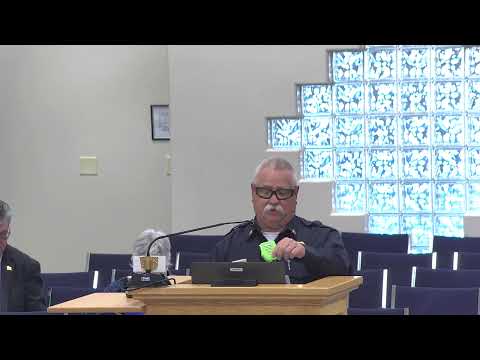
County Fire Chief, speaking at the Grant County Commission work session on March 11, reported increasing wildfire activity and described recent operational and administrative steps the county is taking to prepare for the season.
The chief told commissioners he returned from California after “a 6 acre, 6 to 8 acre fire” and said the county is again facing Red Flag warnings. He described a recent multi‑department response in which “we implemented some incident command” and credited local chiefs and crews for quickly containing the blaze. The chief said the fire’s cause is under investigation and that it “is coming back to possibly something from their solar that they had on top of the Mountain.”
Why it matters: Commissioners heard that both operational capacity and volunteer staffing affect the county’s ability to respond as fire season intensifies. The department described equipment purchases, training, and how volunteer retirement credits are reported — items that affect retention and readiness.
Among operational updates, the chief said the county is ordering an aircraft rescue firefighting apparatus for the airport, with delivery expected around June. He also said departments will undergo an Insurance Services Office (ISO) inspection soon; ISO ratings range from 1 (best) to 10, and most local departments are now rated 5, with one or two at 4. The chief said improving ISO ratings can affect insurance and resource decisions.
On personnel and volunteer matters, commissioners discussed the county’s reporting to the Public Employees Retirement Association (PERA). The chief explained that volunteer participation is reported annually, that volunteers qualify for service credits if they meet training and participation thresholds, and that juniors as young as 16 can be entered into the system. He summarized PERA benefit levels cited in the report: “after 10 years of service and age 55, you could be eligible right now today for $125 a month,” and “At 25 years of service and 55 years of age, you could be eligible for $225 a month.”
Commissioner questions focused on the mechanics of PERA reporting, the meaning of line items in the volunteer reports (for example, members who chose not to participate), and recruitment totals. The chief said January–February recruitment included eight new members across volunteer departments and that the department is preparing call‑volume reports from the new CAD system for a future meeting.
The chief also reported ongoing wildland refresher trainings for all departments and that incident command teams and staging processes are being refined. Commissioners were alerted to red flag messaging that county staff have been posting to social media on high‑risk days.
The commission did not take formal action on these operational items during the work session; some related administrative items (the annual volunteer PERA reports) were listed for consideration on the regular meeting agenda.
Looking ahead: The department expects a busy season and is scheduling ISO inspections, equipment deliveries, and additional training to reinforce response capacity.