Get Full Government Meeting Transcripts, Videos, & Alerts Forever!
Get email alerts on the Pavilion Naming topic
No spam. Unsubscribe anytime.
Park board approves 10-year naming-rights lease for Spokane Pavilion with GISA Credit Union
Summary
The Spokane Park Board on March 13 approved a 10-year naming-rights agreement with GISA Credit Union for the Spokane Pavilion. The contract pays $230,000 in year one with a 3% annual escalator, includes a $50,000 annual activation contribution, and is intended to fund free and low-cost programming at Riverfront Park.
The Spokane Park Board unanimously approved a 10-year naming-rights agreement on March 13 to rename the Spokane Pavilion for GISA Credit Union, authorizing a contract that pays the city $230,000 in year one with a 3% annual escalator and a $50,000 annual activation contribution held by the sponsor.
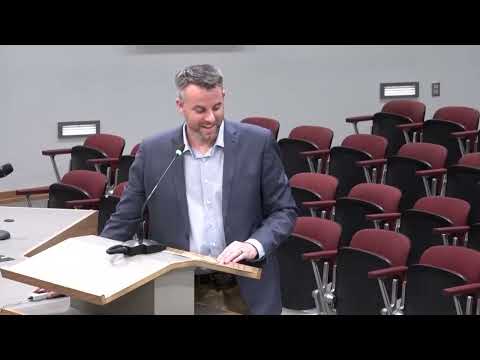
The vote follows a multi-year outreach and procurement effort and staff presentations that framed the agreement as a way to generate sustainable, predictable revenue to subsidize free and low-cost programming at Riverfront Park. John Moak, Director of Riverfront Spokane, said the pavilion naming-rights effort traces to the park master plan’s directive to “generate sustainable revenue,” and described the contract terms, outreach and an activation plan that the partner will fund.
Moak told the board the signed agreement runs 10 years with a five-year extension option, and that the sponsor will pay $230,000 in the first year with a 3% escalator thereafter. The partner will also provide a $50,000 annual activation contribution “to actively promote and activate the pavilion to the community,” Moak said. He added the city expects about $190,000 per year net to Riverfront Park after the sales commission to the third‑party broker.
The agreement gives the sponsor exclusive rights in the financial‑services category, a sign package limited by municipal code to about 675 square feet (staff told the board the primary sign will likely be on the large concrete wall facing the promenade or Washington Street and cannot face the river), and a menu of marketing and activation benefits the partner will receive. Those benefits include waived rental fees for one annual sponsor event, installation of one ATM, up to 10 promotional activations per year, 100 complimentary attraction tickets and eight pavilion‑concert tickets per concert. The agreement also permits the sponsor to collaborate on programming such as free concerts and community events.
Moak summarized why the park is pursuing sponsorships now: “This is a roadmap of where we need to go for 20 years,” and the master plan language he read to the board calls for expanded revenue streams that can support low‑cost programming and broad public access to park amenities. He said the pavilion’s community engagement subsidy currently runs roughly $85,000 to $150,000 per year and that the agreement will stabilize funding for programming and activations.
During public comment, resident Chris Wright said he supported the contract, calling it “a good stewardship” and urging the board to “maximize your economic opportunities.” New board member Lindsay Shaw expressed discomfort with selling the pavilion’s name and urged staff and the board to keep exploring revenue options and to ensure the public retains access. Several long‑serving board members, including the finance committee chair Bob Anderson, said naming rights are a lease rather than a sale and argued the pavilion generates limited revenue on its own while operating costs continue to rise.
Board member Jerry (moved the motion) said the lease language preserves public access and that sponsorships on other venues do not erase the public names used colloquially. Jonathan seconded the motion. The board voted and the motion passed unanimously; the transcript records the motion as approved with all members present responding “Aye.”
John Moak and staff acknowledged Superlative Group, the firm that supported the city’s solicitation and negotiations, and introduced the sponsor at the meeting: Brandon Allison, assistant vice president of community impact for GISA Credit Union, who described GISA’s community investments and said the credit union will partner with parks to expand programming and community events.
The agreement requires sign design and placement consistent with municipal code; staff said sign costs will be paid by the sponsor and the city will collaborate on permitting and placement. Moak told the board the activation money is not city general fund money but a sponsor investment to add programming and promotional support to Riverfront Park.
Board members asked that a copy of the contract be circulated to members; one board member noted they did not yet have the contract in email and requested staff ensure board members receive it.
The board’s approval authorizes staff to finalize the naming‑rights contract consistent with the terms presented and begin implementation with the sponsor, including activations and signage that comply with city code. Staff said the revenue will be earmarked to support Riverfront Park programming and activation in line with the park master plan.