Get Full Government Meeting Transcripts, Videos, & Alerts Forever!
Get email alerts on the Building Inspections topic
No spam. Unsubscribe anytime.
Columbia County details inspector staffing, training and safety role
Summary
In a county information segment, Building Standards Manager Preston Cruz described a seven-person inspector team that handles framing, plumbing, mechanical and electrical inspections, requires triennial certification renewal with continuing education units, and conducts roughly 50–100 inspections a day across the county.
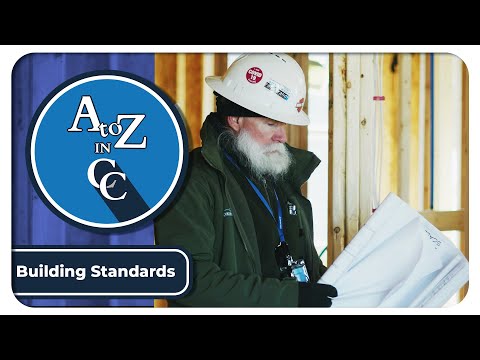
Preston Cruz, Columbia County’s building standards manager, said the county employs seven field inspectors who handle framing, plumbing, mechanical and electrical inspections and that certifications typically must be renewed every three years during a recorded county information segment.
The information segment, hosted by Cassidy Harris, public relations manager, outlined how inspectors are assigned by area to reduce travel, how many inspections occur daily and why the department’s work matters for public safety. “Our guys are trained to inspect everything from framing, plumbing, mechanical, electrical, top to bottom,” Cruz said.
The county’s inspectors are cross-trained for commercial and residential work but focus mainly on residential inspections because housing constitutes the bulk of their workload. Cruz said inspectors are organized by geographic area—he used Apling as an example—so a single inspector becomes familiar with jobs and contractors in that area. He described a typical day: inspectors arrive around 7 a.m., review their scheduled inspections and organize routes; some inspections, such as concrete, are scheduled for mornings so builders can pour later the same day.
Cruz provided workload figures: the department is handling roughly 50 to 100 inspections a day across the seven inspectors, and staff record failed inspections and notes in the county’s system after returning to the office. On training and credentials, Cruz said certifications generally must be renewed every three years and require continuing education units that vary with the number of certifications a person holds. “We do a lot of electrical trainings because that’s 1 of the more difficult ones to keep up with is the changes with the electrical code,” he said.
Cruz described safety as the core purpose of inspections: “So the importance of what we do is it’s safety is our that’s our ultimate goal.” He explained that codes set minimum standards—covering mechanical, plumbing, electrical and framing—so structures that meet the code are deemed safe to occupy.
On workforce entry, Cruz said construction experience is helpful but not required. “We’ve hired people that were as green as they could be in regards to construction because it’s about knowing the codes and being able to pick things out in the field,” he said. He added that a willingness to learn is important for prospective applicants.
The segment closed with Harris thanking Cruz for his time and noting the county’s intent to inform residents about the inspections process and staffing.