Get Full Government Meeting Transcripts, Videos, & Alerts Forever!
Get email alerts on the Legislation topic
No spam. Unsubscribe anytime.
Texas House lists bills on first reading, refers them to standing committees
Summary
At a formal session, the Texas House clerk read a lengthy series of bills and simple resolutions on first reading and announced committee referrals across education, health, transportation, environment and public safety topics. No debate or votes occurred during the reading.
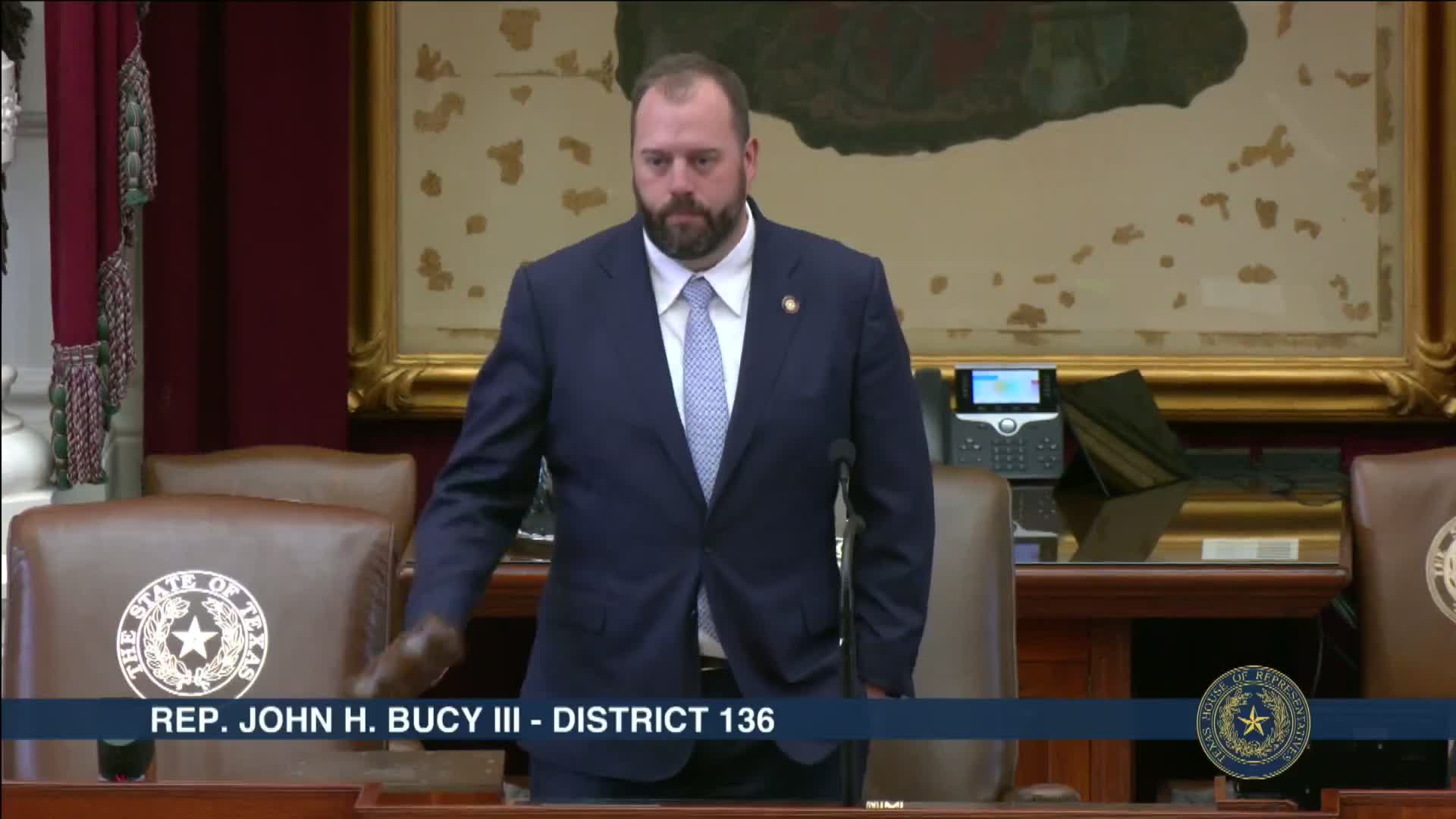
The Texas House of Representatives convened and the clerk read a large slate of bills and resolutions on first reading, then announced referrals to the standing committees responsible for each measure.
The reading, which the presiding officer opened as a formal proceeding, covered measures on a wide range of issues. Committee referrals were announced for bills addressing public education (including special education and school finance adjustments), public health (including maternal and child health and licensing), criminal jurisprudence, environmental regulation, transportation, and intergovernmental affairs.
Why it matters: First-reading and referral is an early procedural step that routes proposed legislation to the committees that will consider, amend, and hold hearings on it. The clerk’s reading does not imply enactment; it only places each bill on the House calendar and directs committee assignment.
Among the bills read were measures related to individualized education programs for children with autism (HB 17 6 by Garcia Abare), a workforce housing program at the Texas Department of Housing and Community Affairs (HB 18 10 by Goodwin), and a requirement for emergency generators or backup power in certain nursing and assisted-living facilities (HB 22 18 by Hernandez). The clerk also read numerous measures concerning elections, criminal penalties, and regulatory matters—for example, several bills referring firearms- and public-safety–related provisions to the Committee on Homeland Security, Public Safety and Veterans Affairs and multiple school-related bills to the Committee on Public Education.
The clerk’s announcements typically included the bill number, the author listed in the reading (as provided), a brief subject summary, and the committee to which the bill was referred. The reading did not include bill text, committee reports, debate, or votes; those steps occur later if committees schedule hearings or report bills back to the House calendar.
The House did not take roll-call votes on any of the measures while the clerk read the calendar. The session concluded the reading and the presiding officer recessed the body; follow-up action depends on each committee scheduling and processing its assigned bills.
The full list of bill numbers and committee referrals was read into the record during the session; the reading itself is the official referral action that allows committees to consider the measures in upcoming hearings.