Get Full Government Meeting Transcripts, Videos, & Alerts Forever!
Get email alerts on the Elections topic
No spam. Unsubscribe anytime.
Board directs limited reforms for Elections Commission, approves one appointment after divided vote
Summary
After months of public debate, the board agreed to cap meetings and require biannual reporting while approving a controversial commissioner appointment in separate vote; staff will return with ordinance language.
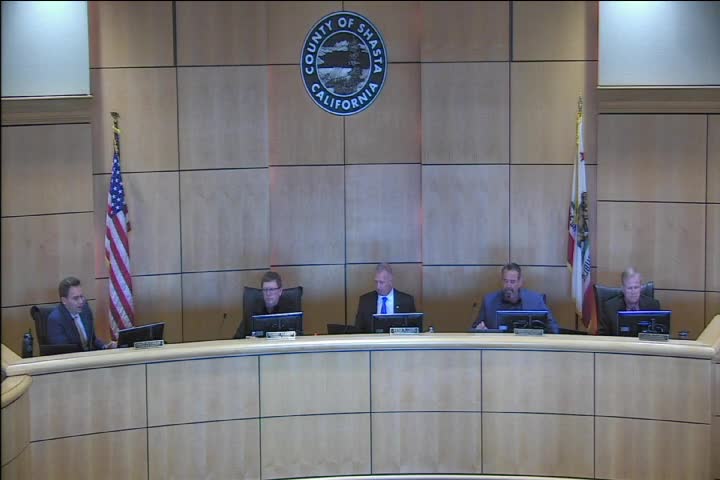
The Shasta County Board of Supervisors on Jan. 28 directed staff to return with ordinance amendments that limit the size and frequency of the county’s Elections Commission and require periodic reporting and an annual public‑trust survey, while also approving a contested commissioner appointment.
Supervisor Matt Plummer, who sponsored the review, asked the board to judge whether the commission has increased public confidence since it began meeting in 2023. After extended public comment and several hours of discussion, the board voted 4‑1 to direct staff to draft an ordinance to cap regular Elections Commission meetings at 10 meetings in years with a statewide election and four meetings in years without a statewide election. The motion also asks the commission to return to the board every six months with an activity report and to include an annual survey measuring public confidence in elections. The board said that any request by the commission to add meetings beyond the cap must be presented to the Board of Supervisors for approval.
Separately, the board voted 3‑2 to appoint Patty Plum to the Elections Commission to fill a District 3 seat. The nomination drew lengthy public testimony both in support of Plum and in opposition; supporters described her as a persistent investigator of election procedures, opponents criticized her advocacy and expressed concern about potential conflicts. The appointment vote was split along supervisors’ differing assessments of the commission’s performance and the merits of the nominee.
What the board did not do: supervisors stopped short of disbanding the Elections Commission, and they did not instruct staff to pause the commission’s work while the ordinance changes are drafted. Several supervisors asked staff to prepare clear ordinance language and analysis of whether outside jurisdictions or state legislators should have formal appointment roles before final amendments are adopted.
Why this matters: supervisors face competing goals — to show voters the county is responsive to concerns about election processes, and to avoid directing local election operations in ways that conflict with state law. The board’s decision establishes schedule and reporting requirements that create regular oversight points while preserving the commission as an advisory body pending the ordinance drafting and further board action.