Get Full Government Meeting Transcripts, Videos, & Alerts Forever!
Get email alerts on the Geoengineering topic
No spam. Unsubscribe anytime.
Public testimony and pileup of evidence put geoengineering claims before Shasta County supervisors
Summary
An outside researcher presented claims that jets are dispersing nano-scale materials over Shasta County; the presentation drew large public turnout and sharply divided public comment but no formal board action.
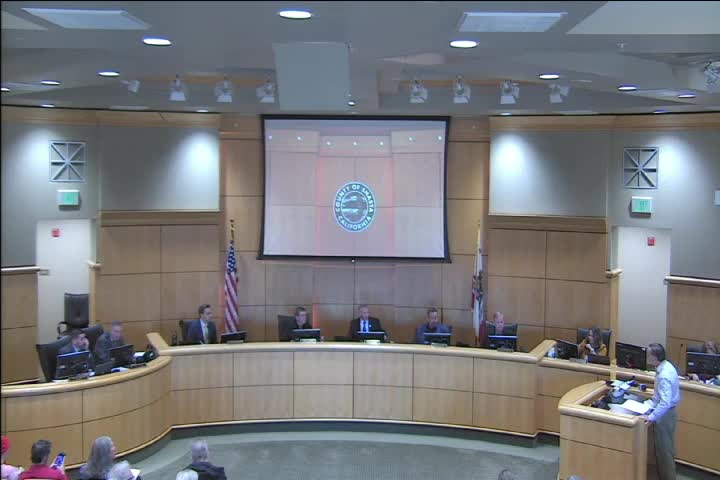
Retired researcher Dane Wigginton presented video and laboratory results to the Shasta County Board of Supervisors on Jan. 28, asking the board to investigate alleged atmospheric ‘‘geoengineering’’ and the deposition of nano-scale materials that he said show up in rain, soil and tissue samples.
Wigginton told the board he and third‑party labs have tested precipitation and found materials he described as aluminum nanoparticles and other metal oxides and polymer particles; he said those materials match descriptions in patents and federal documents about solar radiation management research. He urged county officials to demand disclosure from federal and state agencies and to open local investigations into potential health and environmental effects.
The item drew an unusually large public-comment turnout. Scores of residents addressed the supervisors during the public comment period. Speakers were sharply divided: some repeated Wigginton’s claims and requested formal county inquiries, while many others — including people who identified themselves as scientists, public-health professionals and longtime residents — called the presentation misinformation and urged the board not to endorse unverified claims. Several speakers asked the county to prioritize public-health and environmental monitoring through established scientific partners and noted peer‑reviewed literature that describes contrails and atmospheric particulate measurement protocols.
Board members asked the presenter clarifying questions about lab methods, sources of samples and who would fund or carry out follow‑up work. Supervisors as a group did not adopt any new policy, resolution or directive at the meeting; the board did not vote to open an investigation, and no county-funded testing program was authorized during the session. Supervisors did say they would review materials and accepted the public record of the presentation and comments.
Why this matters: the discussion put a contested claim about the contents of regional air and precipitation into a public forum and crystallized the county’s need to decide whether to pursue independent environmental or public‑health testing, ask state and federal agencies for data, or decline to open formal inquiries. The meeting showed both local demand for further information and sharp disagreement about how to evaluate and interpret the published and non‑published evidence presented to the board.