Get Full Government Meeting Transcripts, Videos, & Alerts Forever!
Get email alerts on the Elections topic
No spam. Unsubscribe anytime.
Board adopts ordinance changing Elections Commission meeting rules after heated public comment
Summary
The Board of Supervisors voted 5-0 to introduce and waive reading of an ordinance amending chapter 2.07 (Elections Commission) and to keep the proposed language as drafted; the topic drew extended public comment demanding restoration of the commission and transparency about a prior board decision to suspend it.
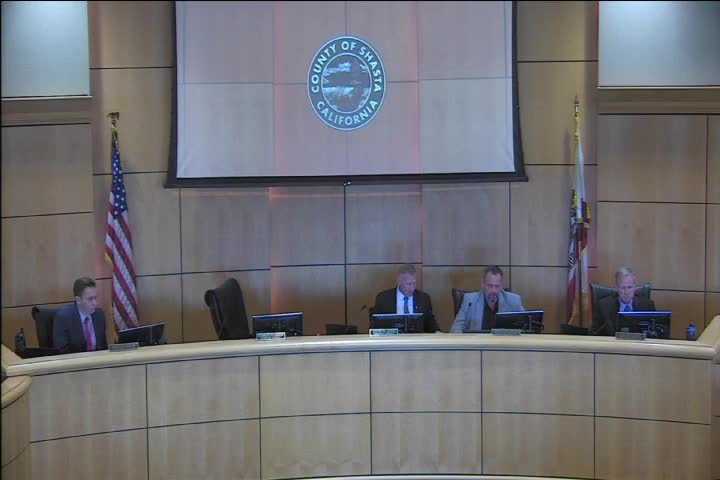
Stephanie Blankenship, chief deputy clerk of the board, presented an ordinance the board had asked staff to draft at the Jan. 28 meeting. "Per board direction, the proposed ordinance amendments include the number of meetings to be held in election and non-election years, as well as reporting requirements," Blankenship told the board.
Why it matters: The Elections Commission has been a focal point of intense public debate in recent months. Members of the public and several speakers proposed modifying the ordinance to explicitly reference the U.S. and California constitutions and to restore the commission from a board-imposed pause. Citizens told the board the pause looked like retaliation for commission members who had provided testimony in unrelated legal proceedings.
Board action and debate: Supervisor Plummer moved to approve the ordinance as drafted; Supervisor Long seconded. A substitute motion by Plummer to add language citing alignment with both state law and "state and federal constitutions" failed on a 2-3 roll call. The original motion to approve the ordinance as written then passed 5-0.
What speakers said: Dozens of residents addressed the board during the ordinance item and the following extended public-comment period. Speakers included current and former Elections Commission supporters who urged immediate resumption of commission meetings and objected to the board's decision, reached in closed session, to suspend the commission. "I would not want to have this put on ice again. It looks like a stall," said Deidre Holliday, who urged the board not to restrict the commission's ability to meet. Others urged the board to implement commission recommendations to improve election processes; still others criticized the commission as costly and outside county jurisdiction.
Distinguishing discussion from action: The board's ordinance vote approved changes to how often the commission meets and reporting expectations; it did not lift the commission suspension while the suspension remains a separate board decision that the public sought to have explained. Several speakers asked the board to disclose the legal basis for the earlier decision to pause the commission; board members said the suspension arose from closed-session deliberations and that legal constraints limited what could be publicly disclosed.
Ending: After the vote the board moved on to other agenda items. The ordinance will return for final adoption steps required by county code if any further reintroduction is necessary; supervisors indicated the board can revisit language if legal counsel advises a different approach.