Get Full Government Meeting Transcripts, Videos, & Alerts Forever!
Get email alerts on the Education Access topic
No spam. Unsubscribe anytime.
Senate approves broad higher‑education access bill including scholarships, credentials and protest rules
Summary
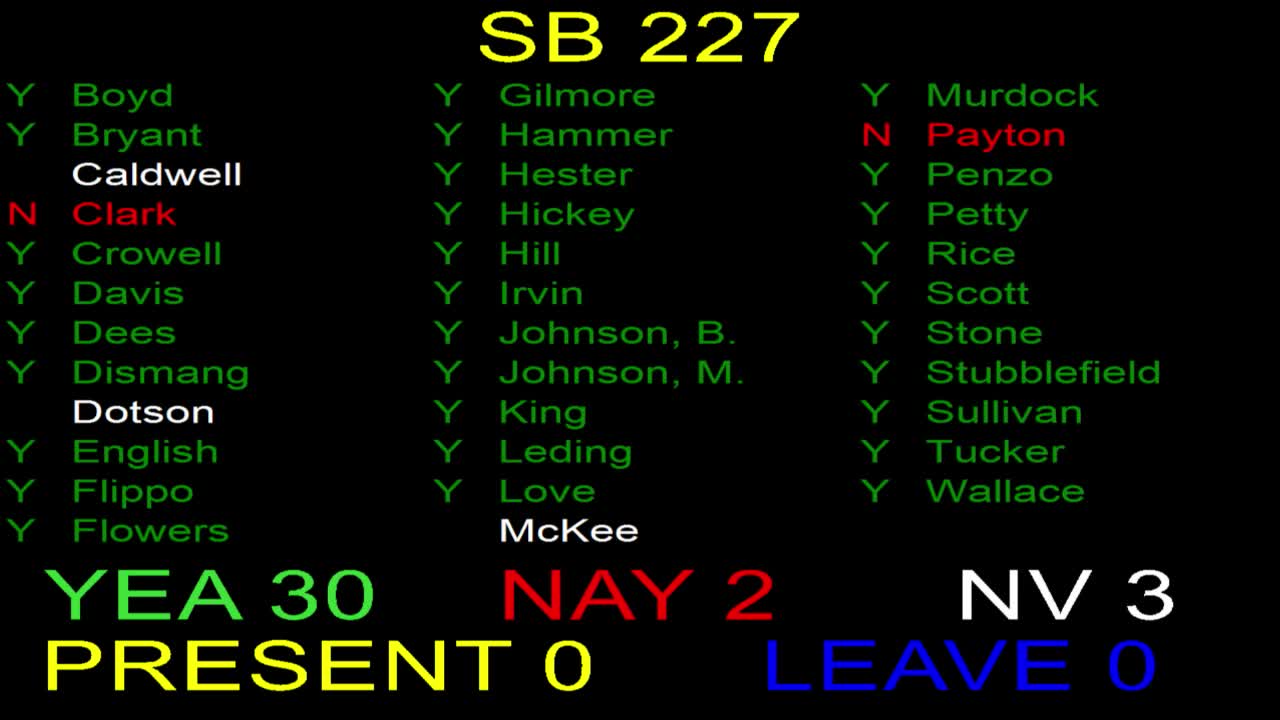
Senate Bill 2 46, a multi-part higher education and student access bill, passed the Arkansas Senate after debate over student protest provisions and accountability requirements. The bill passed 28-6-1 and will go to the House.
The Arkansas Senate on March 13 approved an expansive higher‑education “access” bill aimed at broadening accelerated coursework, standardizing credit weights, funding concurrent credit and creating scholarships and pathways to nondegree credentials. Sponsor Senator Dismayne told the chamber the bill passed by a roll-call vote of 28 yes, 6 no and 1 not voting; the measure will be transmitted to the House.
Supporters said the bill would expand Advanced Placement and International Baccalaureate recognition, standardize weights for concurrent and advanced coursework, fund concurrent credit through per‑pupil funding and scholarships, create a statewide universal college application, and extend in‑state tuition benefits to military families. The bill also would create several scholarship expansions, including a workforce challenge scholarship, an Arkansas Hero Scholars program and a transition scholarship for students with disabilities, the sponsor said.
The sponsor described a new “purple star campus” designation for schools that demonstrate support for military students and proposed that professors’ performance evaluations be considered in tenure reviews. The bill also authorizes funding for nondegree credentials and asked institutions to consider return‑on‑investment metrics.
A lengthy portion of the session’s debate focused on provisions addressing student protests and discipline. The bill allows school districts to treat student participation in unsanctioned walkouts as unexcused absences and includes a provision that students who vandalize school property must pay for damages before receiving a diploma; the sponsor said the diploma‑withholding provision applies to damage occurring on school property.
Several senators raised concerns. Senator Love said he opposed the protest-related language and warned against chilling students’ First Amendment rights. Senator Clark supported the bill’s approach, arguing it preserves the right to protest while making clear the school is not endorsing unsanctioned events and that consequences for disruptive conduct are appropriate.
Senator Dismayne and others noted earlier amendments had been added in response to student and district concerns, including language on parental permission for students to travel to the Capitol for advocacy and district reporting requirements regarding unexcused absences tied to political advocacy.
After floor debate the Senate voted to approve the bill by a roll-call tally of 28 yes, 6 no and 1 not voting. The sponsor asked that the bill be transmitted to the House.