Get Full Government Meeting Transcripts, Videos, & Alerts Forever!
Get email alerts on the Commercial Lease Liquidated Damages topic
No spam. Unsubscribe anytime.
Appeals court weighs enforceability of rent-acceleration clause in commercial lease dispute
Summary
The appeals court heard argument in Paramount MOB v. Tristan Medical Enterprises over whether a rent-acceleration clause in a commercial lease is enforceable where a successor tenant paid rent for the contested period.
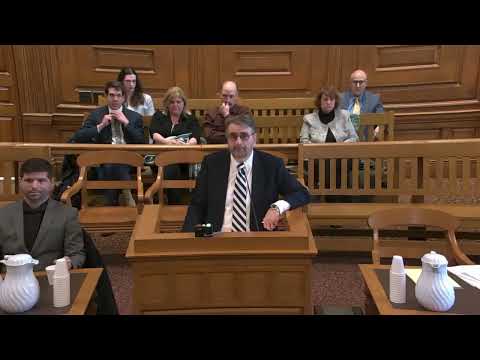
The appeals court heard oral argument in case 24P375, Paramount MOB v. Tristan Medical Enterprises, a commercial-lease dispute about whether a landlord could enforce a rent-acceleration clause that would require a former tenant to pay rent for the remainder of the lease term even though the premises were later occupied by another tenant who paid rent.
Ben Dunlap, counsel for appellants Tristan Medical Enterprises and Dr. Ryan Welter, argued the rent-acceleration clause was unenforceable as applied because it would permit a double recovery by the landlord — collecting accelerated rent from the former tenant while also accepting rent from a successor tenant. Dunlap emphasized the need to apply lease-law precedent (including Commissioner of Insurance and Cummings Properties decisions cited in briefs) to analyze whether the clause operates as an unenforceable penalty or remains enforceable where parties were sophisticated.
Counsel for the appellee countered that the trial court properly found the liquidated-damages provision was negotiated between sophisticated parties and that the parties had relied on the operative lease in prior proceedings, including summary-judgment filings. Appellate argument focused on whether an amended and restated lease dated September 29, 2017 (described by defense counsel) was in the trial record and whether its absence prevented the trial court from properly assessing the clause; appellants contended the amended-and-restated lease was not introduced and that the record therefore lacked evidence of the operative liquidated-damages language.
The judges queried witnesses’ trial testimony about whether a signed amended lease had been produced in discovery and whether the lessee should be considered a sophisticated commercial actor. The court also discussed whether limitations or exceptions recognized in later cases (including Cummings and recent Hines decisions) altered the standard for enforcing liquidated-damages or rent-acceleration provisions.
After argument the panel took the matter under advisement. No ruling was issued from the bench.