Get Full Government Meeting Transcripts, Videos, & Alerts Forever!
Get email alerts on the Voting Age School Board Elections topic
No spam. Unsubscribe anytime.
Students ask District 196 board to back lowering school‑election voting age to 16
Summary
Six high school students spoke at the March 10 District 196 school board meeting urging the board to adopt a resolution of support for pending bills that would permit 16‑ and 17‑year‑olds to vote in school board elections. Speakers cited research and examples from other countries and asked for continued dialogue with district leaders.
Six students representing multiple District 196 high schools asked the school board on March 10 to adopt a resolution of support for bills that would allow 16‑ and 17‑year‑olds to vote in school board elections.
At the start of the public comment period, Kyle Chen, a sophomore (Eagan High School), said he and 27 students and four teachers had come to ask the board to adopt the resolution and handed the board a policy memo. "Today at 4, at 04:42PM, I joined 25,000 people across the state to apply to pre register to vote," Chen said, adding that the students had submitted materials the board had at its desks.
The group asked the board to endorse language tied to bills the speakers cited. Speakers used several bill identifiers in their remarks; examples mentioned in the comments included "House File 1557," "House File 2003," and a senate file referenced as "SF 1557," as used by speakers during their remarks.
Prania DeFru, a sophomore at Eastview High School, told the board that school officials make decisions about budgets, curriculum and safety that directly affect students and said those affected should have a vote. "When we're allowed to vote in school board elections, we can engage in the policies that this school system pursues and have a say in the education that we receive," DeFru said.
Other student speakers echoed those points. Ahan Patel (Rosemount High School) argued the change could increase political engagement over time; Masood Hirsi (Apple Valley High School) said 16‑year‑olds already hold many responsibilities and should have a voice; Max Winn (Eagan High School) pointed to recent local school board actions as examples of decisions students could have influenced; and Gaya Shree Badri (Eastview High School) called the amendment a choice for local boards, not a mandate.
Speakers referenced research during their remarks. Several cited the concept of "cold cognition" and cited studies and institutions (one speaker referenced Columbia University) to argue that reasoning skills relevant to voting are typically developed by mid‑adolescence. Students also cited international examples — Austria was mentioned — where younger voting ages have been used to increase civic participation.
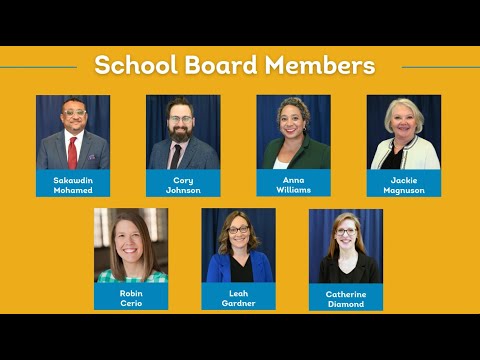
Board chairperson Johnson and the board noted the public comment rules: special-communications time is for board listening rather than immediate response. Chairperson Johnson said the board would not respond during the meeting but encouraged students to use the board's listening sessions and offered to speak after the meeting. Several board members commended the students for attending and presenting.
The students asked the board and superintendent for follow‑up dialogue; Kyle Chen said the group hoped for further two‑way conversations with the superintendent and board.
The board did not take action on the request during the March 10 meeting; the comments were recorded in the public‑comment period and will be part of the meeting record.