Get Full Government Meeting Transcripts, Videos, & Alerts Forever!
Get email alerts on the Inclusive Education topic
No spam. Unsubscribe anytime.
Joseph Case High highlights peer‑partnership course; students describe social and academic benefits
Summary
Principal Christopher Costa presented the new Peer Partnership service‑learning course at Joseph Case High School and invited participating students to describe their experience.
Principal Christopher Costa presented the new Peer Partnership service‑learning course at Joseph Case High School and invited participating students to describe their experience. The course, added this school year after a study-trip to Dartmouth High School, pairs general-education students with classmates who have disabilities for in-class support and relationship-building.
"Peer partners will work with students with disabilities in both general and special education courses," Costa said, explaining the course is a semester long and focuses on self‑confidence, independence and inclusive social interactions. He said 24 students enrolled in the first semester, and 26 are enrolled in the current semester.
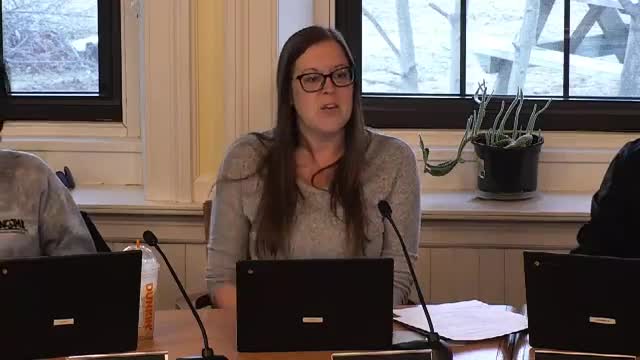
Two students, Alexa Figueredo and Julia Kane, addressed the committee. Alexa said the course changed her perspective on future career choices and makes her “excited to come to class daily.” Julia, a peer partner, said the partnerships help her academically and socially: “They help me with my writing. I like to play games with [peer partners] and I feel special,” she said.
Staff described curricular elements such as reflection papers and service assignments. Administrators said the class has prompted student interest in related careers — speech therapy, occupational therapy and other helping professions — and may create additional pathways for students to explore those fields in high school.
Committee members praised the program’s inclusivity and described it as a model for teaching empathy and building relationships across student groups. No policy or funding action was requested; presenters said the class was developed within the district’s program-of-studies and will continue next year if enrollment remains strong.