Get Full Government Meeting Transcripts, Videos, & Alerts Forever!
Get email alerts on the Early Childhood Education topic
No spam. Unsubscribe anytime.
Madison educators describe growth of Madison Community Pre‑K Consortium, show results of volunteer professional development
Summary
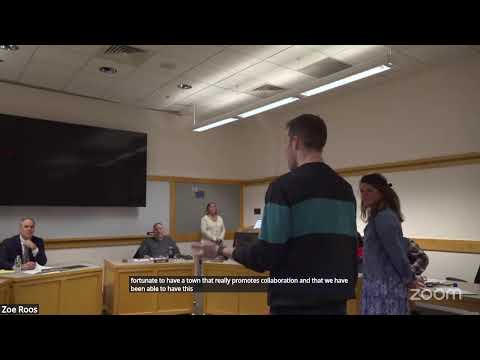
At a meeting of the Curriculum and Student Development Committee of the Madison Board of Education, district staff and local teachers described the Madison Community Pre‑K Consortium, a two‑year, volunteer collaboration between Madison Public Schools and local early‑childhood centers to align practice, expand professional development and support transitions into kindergarten.
At a meeting of the Curriculum and Student Development Committee of the Madison Board of Education, district staff and local teachers described the Madison Community Pre‑K Consortium, a two‑year, volunteer collaboration between Madison Public Schools and local early‑childhood centers to align practice, expand professional development and support transitions into kindergarten.
Assistant Superintendent Kayo Dollingatch told committee members that Drew Soletti, a first‑grade teacher, has “been organizing and championing this work for 2 years now, as a volunteer project.” The presenters said the consortium has brought together public and private preschool directors and teachers to share standards, plan workshops and offer a Saturday professional‑development event called “Saturday Spark.”
The group’s founders and participants said the consortium formed because of research showing early childhood education affects later student success, and because many local early‑childhood providers work in relative isolation. Participants reported that about nine to 10 Madison area early‑childhood centers have engaged with the group, representing directors, teachers and several private and nonprofit programs such as TCLC, Circle Nursery, Madison School for Young Children, Temple Beth and OLM.
Presenters described four evening sessions held in the consortium’s first year and a series of topics that included developmental milestones, play‑based learning and ways to make classroom activities more developmentally appropriate. The Saturday Spark event offered five workshop tracks (music, sleep, math, de‑escalation strategies and nature‑based play), a keynote speaker and childcare on site. The presenters said district staff and local centers led most sessions: “Madison School for Young Children, OLM were presenters,” and district staff including the elementary math instructional coach joined offerings.
Funding and materials were modest but targeted. Presenters said Gail (last name not provided) secured $2,000 in remaining ARPA funds via a connection with PEGI; the consortium used the money for small honoraria for volunteer presenters, bulk purchases of two texts (Purposeful Play and Story Workshop) for member use, and $50 mini‑grants so each participating facility could run a lunch‑and‑learn for its own staff. Organizers emphasized that most of the work has been volunteer based and outside regular work hours.
Presenters said an aim of the consortium has been to help local preschool providers see how their everyday classroom activities map to the district’s publicly available pre‑K standards and to encourage shared professional learning. Drew Soletti summarized the original goal: “we wanted to bring people together in support of students, and that was our initial idea.” Attendees described peer exchange on social‑emotional learning, language building and performance tasks; presenters said that practical collaboration helped reduce over‑identification concerns by aligning expectations about what is developmentally appropriate.
The consortium also used outreach opportunities to recruit new participants and raise awareness of early childhood careers. Presenters described a recent career fair at Daniel Hand High School where consortium members engaged students about early‑childhood careers and local summer work; three high‑school students interested in education volunteered at the Saturday event. Organizers said those school‑day connections were notable because most consortium activities happen nights and weekends.
Looking ahead, presenters said they are preparing grant requests to the Madison Foundation to sustain Saturday Spark and expand the consortium’s offerings. They reported that Beth Fye (commissioner for pre‑K education), Peggy Lyons and Dr. Cook are scheduled to attend a March consortium meeting to discuss state opportunities; Representative Parker and Senator Cohen were also invited and were “checking their calendars.” Presenters said they are considering whether to broaden the collaborative to neighboring towns and are tracking state budget proposals that would provide more state funding for pre‑K.
Committee members praised the work and its collaborative approach. The presenters and district staff framed the consortium as a volunteer, town‑wide effort intended to build shared practice rather than direct private providers.
No formal board action or vote on the consortium was recorded at the meeting; presenters asked to continue outreach and funding efforts and invited committee members to visit future workshops and the March meeting.